Contents:
- Quick Answer: Why Do People Put Flowers on Graves?
- A Tradition Rooted in History
- From Ancient Rituals to Modern Cemeteries
- Flowers as Symbols: What Different Blooms Mean
- Emotional Reasons: Flowers as Comfort and Connection
- Expression When Words Fail
- A Ritual for Healing
- Ongoing Presence
- Practical Purposes: From Odor Control to Decoration
- Masking Scent and Softening the Scene
- Beautifying the Space
- The Practice Today: How Americans Choose and Send Grave Flowers
- Choosing the Right Flowers
- Memorial Days and National Rituals
- Modern Etiquette: What’s Appropriate–and What’s Not
- Common Grave Flower Dos and Don’ts
- Alternatives and New Traditions
- Stones, Flags, and More
- Digital Memorials
- FAQ: Flowers on Graves
- Why are flowers placed on graves?
- What types of flowers are best for gravesites?
- Are there days when graves should be decorated?
- Can you leave flowers at any cemetery?
- Is it disrespectful to use artificial or silk flowers?
- Looking Forward: Keeping Memories Alive
Why We Put Flowers on Graves
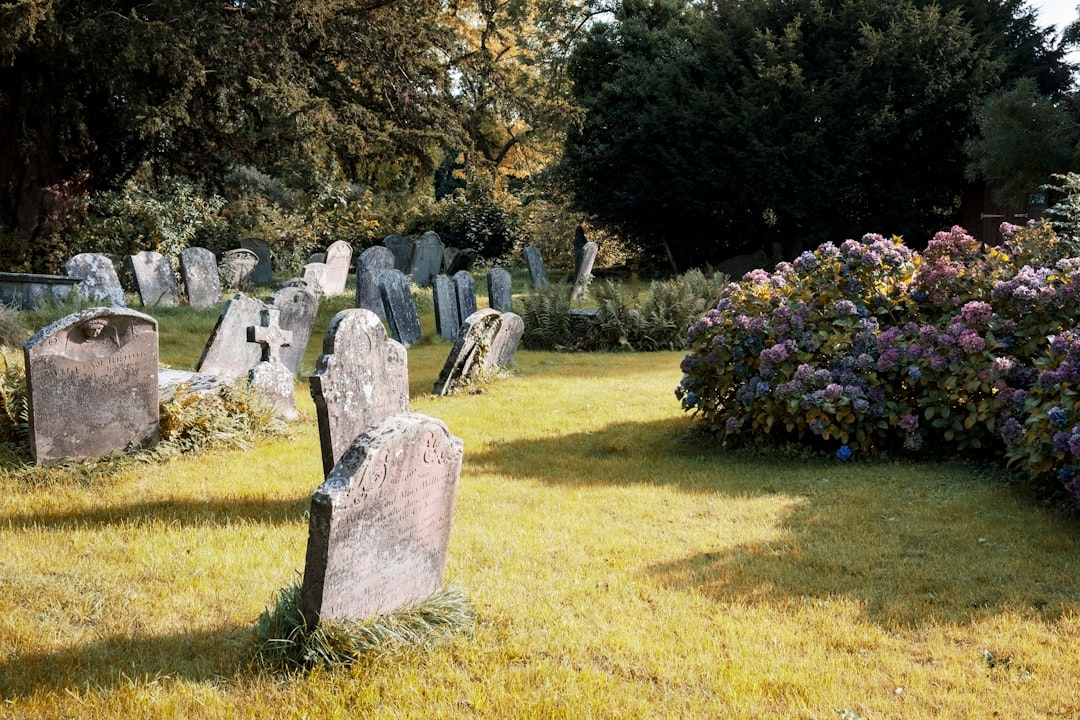
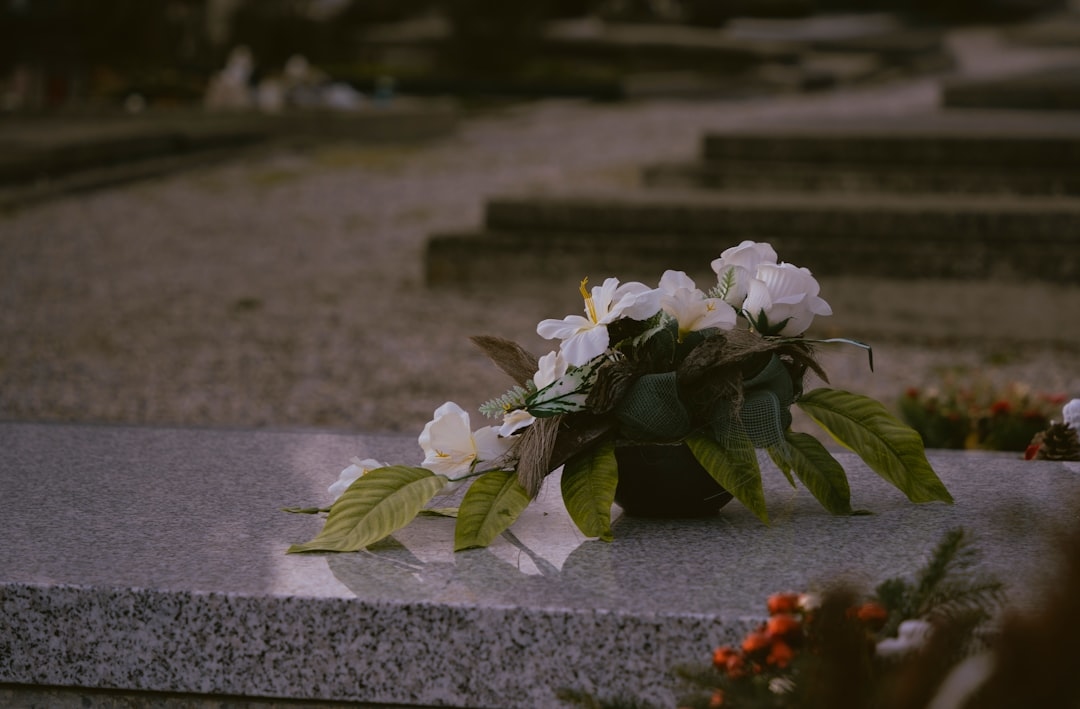
A fresh bouquet resting on a headstone. A single white lily tucked between American flags every Memorial Day. For centuries, people have honored the memory of their loved ones with flowers at gravesites. In the United States, the flowers carry meaning far deeper than decoration. This tradition weaves together history, comfort, and acts of remembrance, transforming cemeteries into gardens of memory.
Quick Answer: Why Do People Put Flowers on Graves?
People place flowers on graves to remember and honor the deceased, express love and grief, and create a symbol of respect. The practice also has roots in ancient traditions–flowers once helped mask odors and symbolize the cycle of life and death. Today in the US, it’s a powerful way to keep loved ones’ memories alive and connect with them, especially during holidays or anniversaries.
A Tradition Rooted in History
The act of putting flowers on graves stretches across time, continents, and cultures. Archaeologists discovered that even Neanderthals might have placed wildflowers with their dead nearly 35,000 years ago. This isn’t just a human custom–it’s practically ancient instinct.
From Ancient Rituals to Modern Cemeteries
- Ancient Greeks and Romans: Used garlands of laurel and violets as tributes. They believed flowers would guide spirits safely to the afterlife.
- Victorian America: The 19th-century “rural cemetery movement” encouraged park-like burial grounds, where grieving families would bring elaborate floral arrangements. Funeral floristry became social custom–by 1880, New York florists reported up to 25% of annual sales tied to memorial flowers.
- Modern US: Memorial Day (originally Decoration Day) began after the Civil War as a day to decorate soldiers’ graves with flowers, a tradition that continues with organizations like the American Legion handing out red poppies in 2026.
Dr. Rachel Pierce, PhD in Cultural Anthropology, notes, “The act of placing flowers on graves remains one of America’s most enduring rituals–bridging faith, family, and community across generations.”
Flowers as Symbols: What Different Blooms Mean
Not all flowers say the same thing. Each stem, color, and variety can send a message–sometimes more powerful than words.
| Flower Type | Common Meaning | Popular US Use |
|---|---|---|
| Lilies | Purity, restored innocence | Christian funerals |
| Roses (red) | Love, respect | Valentines & Memorials |
| Carnations | Admiration, remembrance | Mother’s Day graves |
| Chrysanthemums | Truth, death (Europe), respect (US) | Autumn memorials |
| Gladiolus | Strength, moral integrity | Military graves |
| Daisies | Innocence, hope | Children’s headstones |
Florist and grief educator Maria Sanchez, CF, shares:
“In 2026, the classic red rose remains the most requested tribute flower at US cemeteries. But families often choose blooms that held special meaning for their loved one–favorite colors, sports team hues, or even wildflowers from their backyard.”
Emotional Reasons: Flowers as Comfort and Connection
Walking through Arlington National Cemetery or a small-town plot in Iowa, there’s a quiet comfort in seeing fresh flowers. Grief experts point out several reasons:
Expression When Words Fail
Sometimes, you simply can’t find the words. Flowers do the heavy lifting–showing care, love, and sorrow in a language everyone understands.
A Ritual for Healing
According to a 2025 Harris Poll, 72% of Americans who visit graves say the act of leaving flowers helps them process grief. The ritual provides a moment to pause, reflect, and connect spiritually with the person who’s gone.
Ongoing Presence
The act isn’t “one and done.” Some families return weekly, switching out flowers for each season or holiday–Mother’s Day, Veterans Day, birthdays, anniversaries. This ongoing gesture transforms memory from something static into a living, growing relationship.
Practical Purposes: From Odor Control to Decoration
Not all the reasons for grave flowers are symbolic or emotional. Some are surprisingly practical.
Masking Scent and Softening the Scene
Centuries ago, especially before modern embalming, flowers were crucial for masking the odors of decomposition. Some modern cultures (notably in the American South) continue to use fragrant blooms like gardenias and tuberose for this reason, even if it’s now more about tradition than necessity.
Beautifying the Space
Cemeteries can be stark. Flowers soften the landscape, making grave sites feel tended, loved, and less lonely. A 2026 report from the National Funeral Directors Association states that 82% of families believe grave decoration helps maintain dignity and respect in a resting place.
The Practice Today: How Americans Choose and Send Grave Flowers
The flower industry–worth $8.3 billion in the US as of 2026–caters to memorial needs with arrangements tailored for gravesites. You’ll see everything from simple bouquets at Walmart ($9.99 for mixed carnations in 2026) to elegant standing sprays delivered by Teleflora and FTD (averaging $79-$200).
Choosing the Right Flowers
- Durability: Silk arrangements are common for longevity, especially in harsh weather.
- Personalization: Favorite colors, sports team themes, or unique flowers.
- Cultural/Religious Customs: Jewish tradition may place stones instead of flowers; Catholic funerals often favor lilies and rosaries.
Memorial Days and National Rituals
Certain days see a nationwide bloom:
- Memorial Day: Red poppies, flags, and roses for veterans.
- Mother’s/Father’s Day: Carnations, lilies, and family favorites.
- All Souls’ Day: Often marked by mass flower placement in Catholic communities.
Modern Etiquette: What’s Appropriate–and What’s Not
While most cemeteries welcome flowers, each has its guidelines. In 2026, the majority of US cemeteries post rules at entrances or on their websites.
Common Grave Flower Dos and Don’ts
Do:
- Use vases or cone holders provided by the cemetery
- Choose hardy flowers or weather-resistant silk for outdoor graves
- Check for seasonal removal policies
Don’t:
- Leave glass containers (they can break and pose hazard)
- Plant anything in the ground without permission
- Use balloons, stuffed animals, or litter (most cemeteries prohibit these)
As groundskeeper Joe Mitchell from Greenwood Lawn in Chicago shares,
“Nothing says ‘you’re remembered’ like a fresh bouquet–but we always ask families to double-check the cemetery’s flower policy, so everyone’s tributes stay beautiful and safe.”
Alternatives and New Traditions
For some, flowers may not be the perfect fit–or may need to be combined with other rituals.
Stones, Flags, and More
- Jewish Traditions: Small stones placed on graves, symbolizing permanence.
- Military: American flags often accompany Memorial Day flowers.
- Living Tributes: Planting perennials or trees (with cemetery approval).
Digital Memorials
In 2026, families increasingly supplement physical flowers with online tributes–virtual flower “gifts” on sites like Legacy.com or FindAGrave.
FAQ: Flowers on Graves
Why are flowers placed on graves?
Flowers honor the memory of the deceased, symbolize respect and love, and provide comfort to those grieving. The custom has historical roots and continues as a way for Americans to connect with lost loved ones.
What types of flowers are best for gravesites?
Hardy, long-lasting flowers like carnations, chrysanthemums, and lilies are popular. Many families now use silk or artificial arrangements for durability, especially in extreme US weather.
Are there days when graves should be decorated?
Yes. Memorial Day, Veterans Day, Mother’s Day, and anniversaries or birthdays are common in the US. Each community or religion may have additional traditions.
Can you leave flowers at any cemetery?
Most US cemeteries allow fresh or artificial flowers but often have specific rules. Check with cemetery staff or their website for up-to-date flower policies in 2026.
Is it disrespectful to use artificial or silk flowers?
No–artificial flowers are widely accepted, especially for practicality and longevity. Some cemeteries even prefer them for maintenance reasons.
Looking Forward: Keeping Memories Alive
Choosing and placing flowers on a grave is more than a ritual. It’s a living conversation between the past and present–a visible act of remembrance that says, “You are not forgotten.” If you’re planning a tribute in 2026, take a moment to learn your loved one’s favorite flower or personalize your arrangement with a note or small token. Consider supporting your local florist or a veteran-owned flower delivery service, and remember–every bloom is a simple, beautiful way to keep a memory blooming long after words fade.


Add Comment