Contents:
- How to Make a $20 Bouquet Look Like $100: Quick Answer
- Why Grocery Store Bouquets Look “Cheap” (And How Pros Fix That)
- Step-by-Step: Transforming a $20 Bouquet
- Disassemble and Prep
- Fluff, Reshape, and Select a Focal Flower
- Mix in Unexpected Greens
- Arrange Like a Pro
- Dress It Up: Wrapping and Display Tricks
- Wrapping Like a Boutique Florist
- Vase Choice: Clear Glass, Always
- Pro Tips to Stretch Your Flower Budget
- Shop Smart
- Buy In Bulk, Divide for Impact
- Add Scent–Without Splurging
- Common Mistakes (And Easy Fixes)
- FAQ: Making Budget Bouquets Look Expensive
- How can I make cheap flowers look more expensive?
- What are the best stores to buy budget flowers in the U.S.?
- Which flowers look most luxurious for less money?
- How do I make a bouquet last longer?
- Can I add greenery from my yard to a store-bought bouquet?
- Your Next $20 Bouquet: Go Create!
How to Make a $20 Bouquet Look Like $100
Ever watched someone unwrap a store-bought bouquet and wondered how it suddenly transforms from “nice” to “wow” just by how it’s arranged? In the U.S., the average professionally-arranged bouquet costs $90-$120, but big magic can happen with humble grocery store flowers and a few DIY tricks. Florists like Alyssa Donovan (owner, Wild Iris Studio, Denver, CO) swear it’s not about what you spend, but how you style.
How to Make a $20 Bouquet Look Like $100: Quick Answer
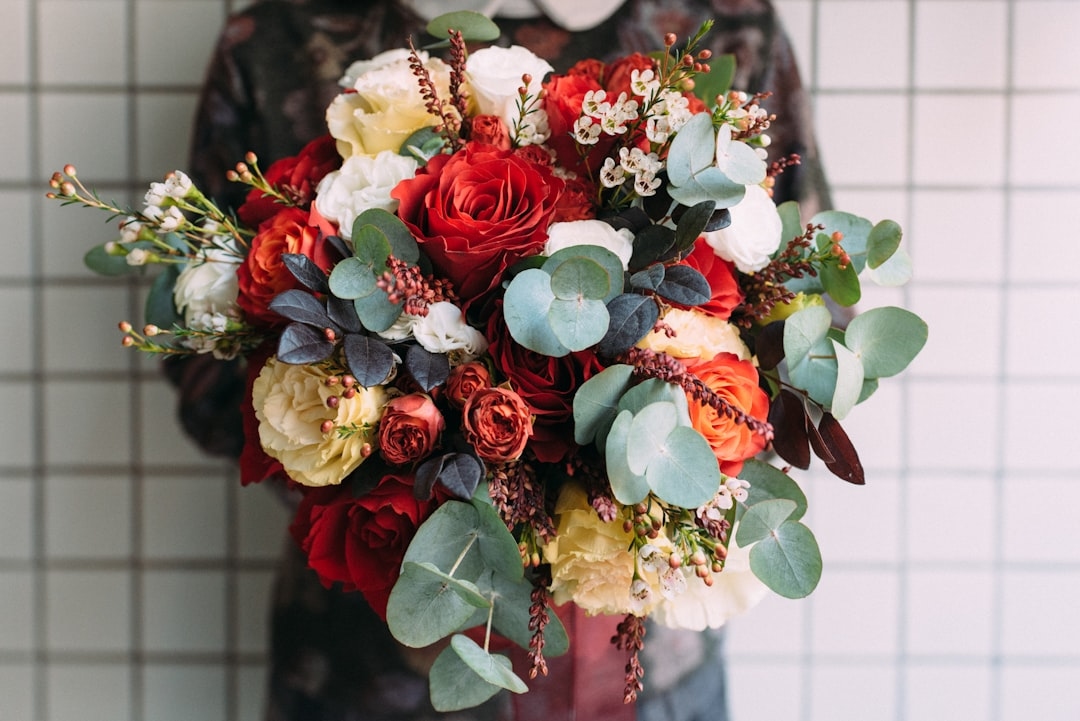
You can make a $20 bouquet look like a $100 designer arrangement by upgrading your greenery, rearranging stems by height and texture, removing excess filler, and using professional wrapping methods with kraft paper and ribbon. Add in a few inexpensive focal flowers or foraged greenery, and arrange in a glass vase with clean water for maximum impact.
Why Grocery Store Bouquets Look “Cheap” (And How Pros Fix That)
Mass-market bouquets from Trader Joe’s, Whole Foods, or Walmart often fall flat next to their luxury florist cousins. Here’s why:
- Uniformity: Mass bouquets stick to similar stem lengths and basic flowers.
- Filler Overload: Too much baby’s breath, fern, or leatherleaf.
- Plastic Wrap: Cheap packaging screams “supermarket”.
- Lack of Focal Points: Premium bouquets highlight dramatic flowers–a single oversized peony or ranunculus, for example.
Florist Fix:
Alyssa Donovan reveals, “We spend about 40% of our time just prepping stems: stripping leaves, recutting, and building layers. What looks elegant is rarely expensive–it’s intentional.”
Step-by-Step: Transforming a $20 Bouquet
1. Disassemble and Prep
- Unwrap Completely: Remove all plastic, rubber bands, and price stickers.
- Sort by Type: Lay out flowers and greenery in groups: focal blooms, secondary blooms, fillers, greens.
- Strip Stems: Remove any leaves that would fall below the waterline.
Fact: Bacteria from submerged foliage shortens vase life by 3-5 days (source: Dr. Lauren Kim, Rutgers Dept. of Plant Science).
2. Fluff, Reshape, and Select a Focal Flower
- Pick a Showstopper: If none in your bunch, buy 1-2 stems of something big and bold–like a sunflower, hydrangea, or garden rose (often $3-$6 at Trader Joe’s).
- Trim to Vary Height: Professional bouquets stagger heights. Leave focal flowers tallest, others staggered an inch or two below.
- Remove Excess Filler: You want 25-30% filler/greenery, not more.
3. Mix in Unexpected Greens
- Forage: Snip a few leafy branches or grasses from your yard (privet, olive, eucalyptus work beautifully).
- Buy Single-Stem Greens: Stores like Whole Foods or Safeway sell standalone bunches of ruscus or eucalyptus, usually $4-$8.
- Twist and Spiral: Arrange stems in your hand at a bias–this spiral technique is used by pros for balanced, airy arrangements.
“A single stem of seeded eucalyptus can instantly elevate even the most basic bunch of carnations.”
–Renee Park, Lead Designer, Marigold & Mint, Seattle
4. Arrange Like a Pro
The Layered “Hand-Tied” Technique
- Start with Greens: Create a base with 3-4 stems, held loosely.
- Add Focal Flowers: Gently rotate the bouquet as you add, keeping the tallest to the center or slightly off-center.
- Layer Secondary Blooms: Place them around the focal, at varying depths.
- Complete with Fillers: Tuck in accent flowers or small bunches of baby’s breath/similar.
- Secure: Use twine or floral tape to bind the stems.
Cutting for Impact
Trim all stems so the bouquet sits comfortably in a vase with 2-3 inches of stem below the rim. Diagonal cuts help water absorption.
Water Matters
Change water every other day and re-cut stems once a week.
Stat: According to the Society of American Florists, bouquets last up to 60% longer with daily water changes.
Dress It Up: Wrapping and Display Tricks
Wrapping Like a Boutique Florist
- Kraft Paper: Buy a roll for $7-$10 at Target, Amazon, or Michaels.
- Tissue Layers: Add white or pastel tissue for softness.
- Hand-Tied Bow: Use fabric or velvet ribbon, NOT curling ribbon.
How-To:
Wrap bouquet diagonally in kraft paper, fold down a collar at the top, and tie. The angled wrap mimics high-end florist presentation.
Vase Choice: Clear Glass, Always
- Opt for a clean, sturdy glass vase–Dollar Tree sells basic cylinders for $1.25.
- Avoid colored glass (distracts from flowers) and plastic.
Simple Upgrade Table: Grocery vs. Pro Touch
| Element | Grocery Store | Pro Touch |
|---|---|---|
| Paper Wrap | Plastic | Kraft + Tissue |
| Bow/Ribbon | Curling | Fabric/Velvet |
| Foliage | Sparse | Lush, varied |
| Focal Flower | Lacking | Added or emphasized |
| Arrangement | Tight, flat | Spiraled, layered |
| Water Care | Untouched | Changed + stem recut |
Pro Tips to Stretch Your Flower Budget
Shop Smart
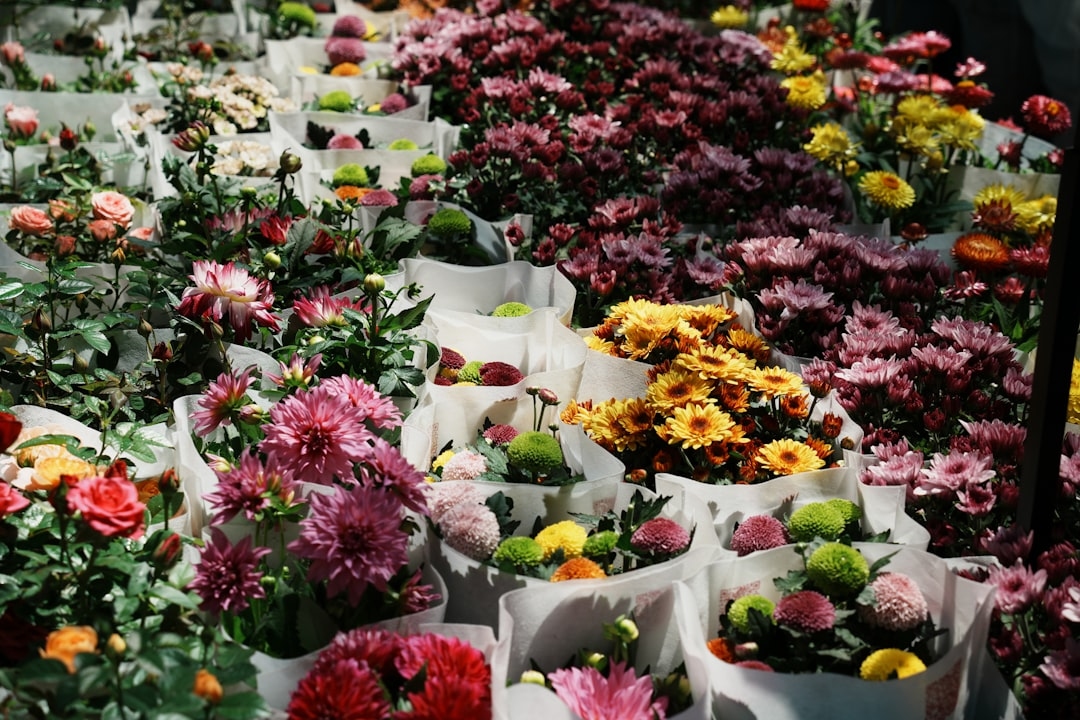
- Best Stores: Trader Joe’s, Costco, and local farmers markets consistently score top marks for freshness and price (NPR report, 2026).
- Time It Right: Mondays and Thursdays are restock days at most chains.
Buy In Bulk, Divide for Impact
Split one $20 mixed bouquet into two $10 posies or combine two $10 bundles for a fuller, more varied arrangement.
Pro tip: Pair pricier stems (peonies, ranunculus) with basics (mum, alstroemeria) for contrast without blowing the budget.
Add Scent–Without Splurging
Supermarket bouquets often lack fragrant flowers. Layer in a sprig of rosemary or basil from your herb garden, or toss in a $3 stem of stock from the floral section (fantastic scent).
Common Mistakes (And Easy Fixes)
- Too-much Filler: Remove at least half of generic greens.
- Uniform Heights: Stagger stems for dimension (2-3″ variance).
- Neglecting Water: Cloudy water kills the vibe, fast.
- Ignoring Color Theory: Limit palette to 2-3 key shades for a luxe feel.
Example: Blush, white, and deep burgundy pop together; avoid loud rainbow mixes unless it’s a cheerful theme.
FAQ: Making Budget Bouquets Look Expensive
How can I make cheap flowers look more expensive?
Arrange stems at varying heights, add lush greens (foraged or purchased), strip excess filler, and wrap in kraft paper with a fabric ribbon. Place in a clean glass vase and change water regularly.
What are the best stores to buy budget flowers in the U.S.?
Top choices in 2026 include Trader Joe’s, Costco, Safeway, and local farmers markets. These outlets offer fresh, affordable stems with good rotation.
Which flowers look most luxurious for less money?
Hydrangeas, alstroemeria, carnations (doubled up), and tulips. Pair with a singular bold stem like sunflower or peony for impact.
How do I make a bouquet last longer?
Remove leaves below waterline, re-cut stems every 2-3 days, change water frequently, and keep flowers out of direct sunlight or heat.
Can I add greenery from my yard to a store-bought bouquet?
Yes! Just make sure to wash and trim any foraged greens before adding. Eucalyptus, privet, camellia, and even clipped herbs work well.
Your Next $20 Bouquet: Go Create!
The next time you grab a $20 bunch at the grocery store, take ten extra minutes for a little floral transformation. Strip, layer, trim, and style–then finish with a boutique wrap and a vase of fresh water. Suddenly, you’re holding something that looks (and feels) like it came straight from a $100 designer studio. That’s floral magic, right at home.



Add Comment