Contents:
- Quick Answer: What Is Rainforest Alliance Flower Certification?
- What Does the Rainforest Alliance Certification Cover?
- Environmental Protections
- Worker Welfare
- Traceable, Transparent Supply Chains
- Why Do US Florists Offer Rainforest Alliance Certified Flowers?
- Meeting Consumer Demand
- Market Differentiation and Supply
- Rainforest Alliance vs. Other Flower Certifications
- How to Identify and Buy Rainforest Alliance Certified Flowers
- What to Look For on Labels
- Best US Retailers and Flower Types
- How Certification Impacts Flower Quality and Longevity
- Real-World Challenges and Limitations
- Certification Costs and Access
- Not All Flowers Can Be Certified
- Potential for Greenwashing
- Pull-Quote
- FAQs About Rainforest Alliance Certified Flowers
- What does Rainforest Alliance certified mean for flowers?
- Are Rainforest Alliance flowers more expensive?
- Which US retailers sell Rainforest Alliance flowers?
- Can I order Rainforest Alliance certified flowers for delivery?
- How is Rainforest Alliance different from Fair Trade or Organic certification?
- Action Step: Make Your Next Bouquet Count
Rainforest Alliance Flower Certification Explained
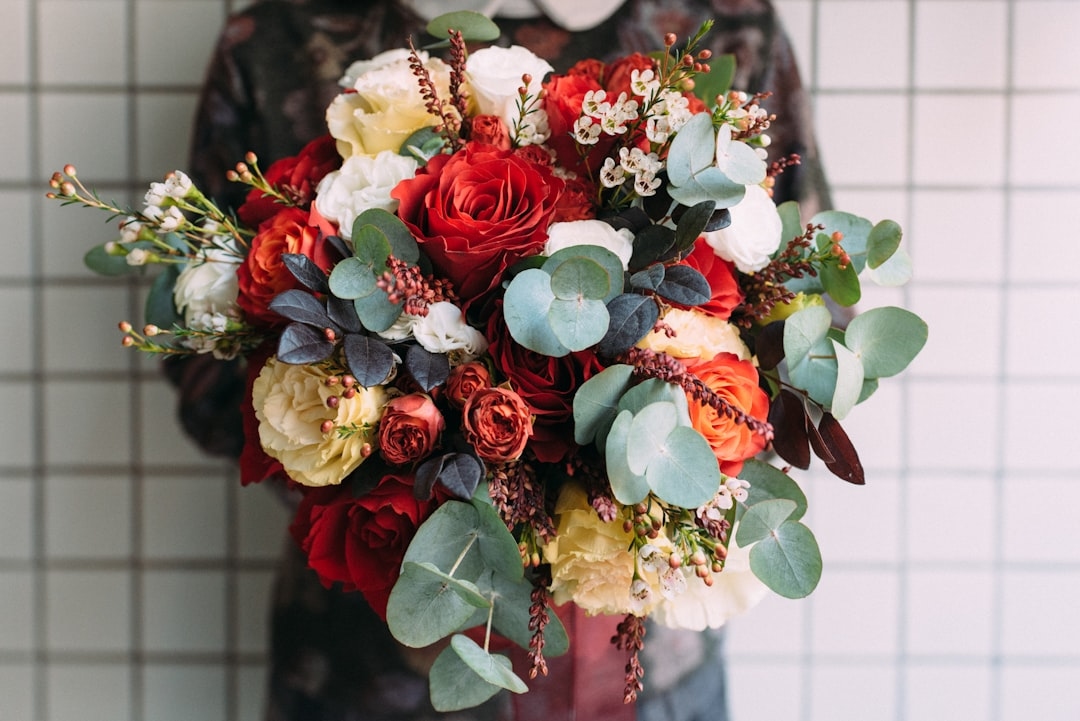
Picture a grocery store bouquet, bursting with Peruvian lilies and Ecuadorian roses. A small, green frog logo peeks from the label. For US florists and flower lovers, this isn’t just cute branding–it’s the Rainforest Alliance flower certification. What does that mean for your blooms, and why should it matter to anyone who appreciates floral beauty, whether once a year at Valentine’s or daily at home?
Quick Answer: What Is Rainforest Alliance Flower Certification?
Rainforest Alliance flower certification signals that a farm meets strict environmental, social, and economic standards. Certified flowers are grown with reduced pesticide use, better water management, fair labor practices, and wildlife protection. In 2026, over 90% of Rainforest Alliance certified flowers imported to the US come from Colombia and Ecuador, the top suppliers for American florists.
What Does the Rainforest Alliance Certification Cover?
Environmental Protections
Certified farms must minimize agrochemical use, protect waterways, maintain soil health, and preserve wildlife habitats. Dr. Andrea Castillo, horticulturist and sustainability advisor, describes it this way:
“Rainforest Alliance certification gives assurance that flowers aren’t just beautiful–they’re grown in a way that’s much gentler on people and the planet.”
For example, farms must buffer natural forests and waterways from chemical runoff and set aside at least 30% of land as conservation areas. Monitoring data from 2025 showed a 40% reduction in pesticide application rates at certified Colombian rose farms compared to non-certified ones.
Worker Welfare
Labor standards ban child labor, require fair wages, and mandate access to protective equipment. Many certified farms have on-site medical care, subsidized child care, and gender equality programs. In Ecuador, 17,000 flower workers benefited from Rainforest Alliance labor audits and training in 2024 alone.
Traceable, Transparent Supply Chains
Every step–from cutting the bloom in South America to arranging it in a Los Angeles florist shop–is documented. This helps US retailers like Trader Joe’s, FTD, and 1-800-Flowers.com offer buyers a transparent, ethical choice.
Why Do US Florists Offer Rainforest Alliance Certified Flowers?
Meeting Consumer Demand
A 2025 survey by the Society of American Florists found that 64% of millennials are “more likely” to buy flowers labeled as sustainably grown. Major US retailers report a steady increase in requests for eco-certified bouquets, particularly for big holidays like Mother’s Day and Valentine’s Day.
Market Differentiation and Supply
Florists like Olive & Finch in New York promote their Rainforest Alliance bouquets as a premium, responsible option. Wholesale suppliers–such as Mayesh and Florabundance–now offer entire lines of certified stems.
“Customers want transparency. Rainforest Alliance certification makes that conversation easy,” says Rachel Murray, lead buyer, Olive & Finch NYC.
Prices for certified bouquets can be 5-10% higher, but many consumers are willing to pay the premium, especially for event and wedding work.
Rainforest Alliance vs. Other Flower Certifications
| Feature | Rainforest Alliance | Fair Trade Certified | USDA Organic |
|---|---|---|---|
| Main Focus | Sustainability, social, environment | Social and economic justice | No synthetic chemicals |
| Pesticide Use | Restricted, reduced | Restricted | Prohibited |
| Labor Standards | Yes | Strong | Not required |
| Conservation Areas | Yes | Not required | Not required |
| Common in US Flower Market | Yes, especially roses/chrysanthemums | Frequently (roses, Ecuador) | Rare (few flowers are USDA Organic) |
Note: It’s possible for bouquets to carry more than one certification, but Rainforest Alliance is the most widely seen among imported cut flowers in the US as of 2026.
How to Identify and Buy Rainforest Alliance Certified Flowers
What to Look For on Labels
Spot the green frog seal. It’s usually found on:
- Flower sleeve labels at grocery stores (e.g., Whole Foods, Safeway)
- Boxes for wholesale or bulk orders
- Florist’s online listings or in-store signage
If there’s no seal but you’re curious, ask your florist or check the Rainforest Alliance online directory.
Best US Retailers and Flower Types
- Trader Joe’s: Large selection of certified roses and mixed bouquets starting at $9.99
- 1-800-Flowers.com: Dedicated “Sustainable Blooms” section
- Whole Foods: Offers Rainforest Alliance flowers in nearly every store
- Local eco-focused florists: Many highlight certification in their wedding/event proposals
Top certified flower types available in the US:
- Roses (especially from Ecuador and Colombia)
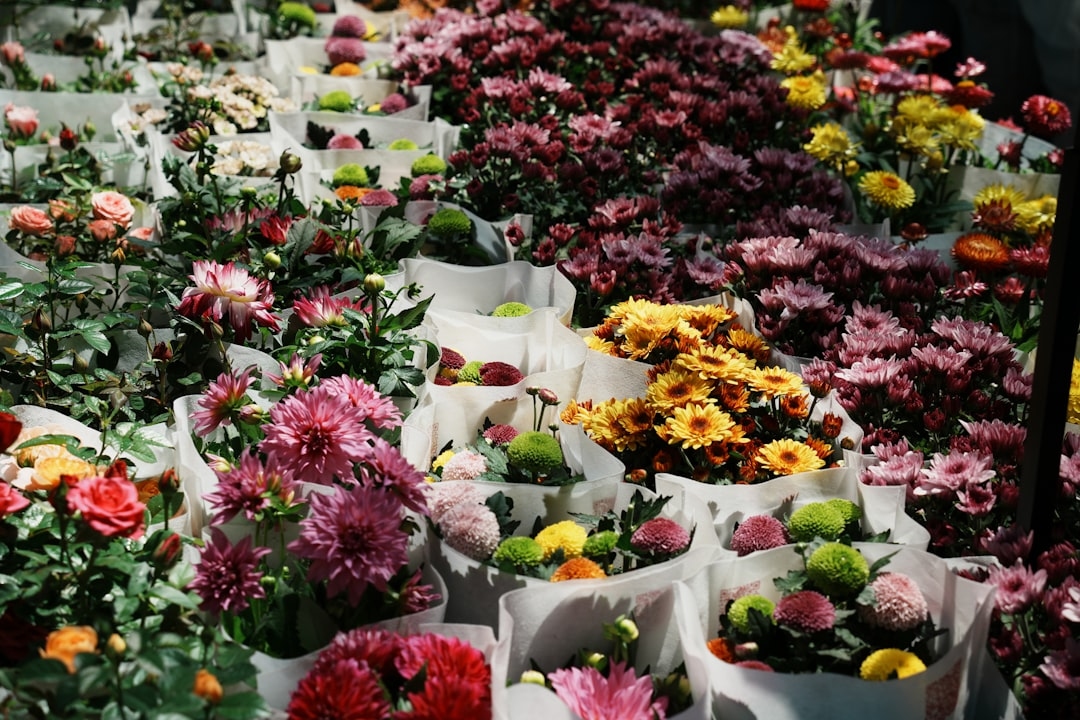
- Chrysanthemums
- Alstroemeria (Peruvian lilies)
- Carnations
- Hypericum berries
How Certification Impacts Flower Quality and Longevity
Rainforest Alliance does not directly test for bloom size, stem length, or vase life–but farms certified by the program must document quality control and responsible harvest methods.
A 2025 study by the American Institute of Horticulture (Dr. Lisa Nguyen, PhD) found:
- Certified roses had an average vase life of 8.1 days vs. 7.2 days for non-certified, likely thanks to better harvest timing and post-harvest care required by certification.
- Fewer pesticide residues were detected on certified blooms (92% reduction), making them safer for workers and home environments.
Florists report fewer quality complaints on certified stems, especially for large wedding or event orders.
Real-World Challenges and Limitations
Certification Costs and Access
Certification is not free–costs can be a barrier for smallholder farms. In Colombia, certification for a 10-hectare farm averaged $2,350 in 2025, mostly for audits and changes to production processes.
Not All Flowers Can Be Certified
Some smaller or niche US-grown flowers–like certain native wildflowers or heirloom varieties–may not carry the seal, either because of cost or because their small scale doesn’t fit the program.
Potential for Greenwashing
Certification isn’t a cure-all. Occasional scandals have surfaced (most recently in 2024, centered on paperwork falsification at a large Ecuadorian grower), reminding consumers to buy from reputable sources and look for third-party audits.
Pull-Quote
“Rainforest Alliance flowers bring beauty into your home, and help sustain the beauty of the places where they’re grown.”
– Dr. Andrea Castillo, horticulturist
FAQs About Rainforest Alliance Certified Flowers
What does Rainforest Alliance certified mean for flowers?
Rainforest Alliance certified flowers are grown on farms that meet environmental, social, and economic standards. This includes reduced pesticide use, wildlife protection, fair wages, and safe working conditions for workers.
Are Rainforest Alliance flowers more expensive?
Rainforest Alliance certified flowers are usually 5-10% more expensive than non-certified blooms in the US. The price reflects extra costs for environmental and social responsibility, but many American buyers are willing to pay for the assurance.
Which US retailers sell Rainforest Alliance flowers?
Major US retailers like Trader Joe’s, Whole Foods, 1-800-Flowers.com, and eco-conscious local florists sell Rainforest Alliance certified flowers. Look for the green frog seal or check the retailer’s sustainability info.
Can I order Rainforest Alliance certified flowers for delivery?
Yes, you can order Rainforest Alliance certified bouquets for next-day or same-day delivery in most US cities through online florists such as 1-800-Flowers.com, The Bouqs Co., and selected local shops.
How is Rainforest Alliance different from Fair Trade or Organic certification?
Rainforest Alliance focuses on a combination of environmental protection, worker rights, and farm management. Fair Trade emphasizes fair wages and labor standards, while USDA Organic restricts synthetic chemicals but does not necessarily address labor or conservation.
Action Step: Make Your Next Bouquet Count
Next time you’re picking up a bouquet–whether for a birthday, a dinner party, or just to brighten your kitchen–check for the Rainforest Alliance frog. Choosing certified flowers means you’re supporting farms that respect workers and the environment. Want to go deeper? Ask your local florist about their sourcing, or check for certification on event flowers. Small choices add up, and your blooms can be beautiful in every sense of the word.


Add Comment