Contents:
- Scabiosa’s Allure: Quick Answer
- The Pincushion Effect: Texture That Pops
- Quick Comparison: Scabiosa vs. Similar Textural Flowers
- Color Range: Soft, Moody, and Rare Finds
- Trending Hues for 2026
- Vase Life and Handling: Behind-the-Scenes Advantages
- Pro Tip
- Blooming Both Ways: Local and Global Supply
- Where Florists Source Scabiosa
- Versatility in Arrangements: From Boho to Luxe
- Design Applications
- Scabiosa in the US Flower Market: Data Snapshot
- Pull-Quote
- FAQ: Scabiosa and Floristry in 2026
- What is scabiosa commonly called in the US flower industry?
- How much does scabiosa cost for florists in 2026?
- How long does scabiosa last in a vase?
- Are scabiosa flowers suitable for drying?
- Can US consumers buy scabiosa bouquets directly online?
- What’s Next for Scabiosa: Your Turn
What Makes Scabiosa So Popular with Florists
In early June bouquets across New York and Los Angeles, you’ll often spot a quirky flower with pincushion-like heads and wiry, dancing stems. That’s scabiosa, and it’s quietly become a darling of US florists–popping up in wedding photos, boutique arrangements, and even Trader Joe’s mixed bunches. Its distinctive look has won over both professionals and flower fans, but the story goes deeper than good looks.
Scabiosa’s Allure: Quick Answer
Why do florists love scabiosa?
Scabiosa is popular with florists because it offers unique form, a long vase life, wide color range, and easy mixing with both rustic and elegant styles. Its pincushion shape adds texture, and varieties like Scabiosa atropurpurea are available year-round from US growers, often costing $1-$2 per stem in 2026. The flower’s versatility and visual impact make it a staple in event work and daily arrangements.
The Pincushion Effect: Texture That Pops
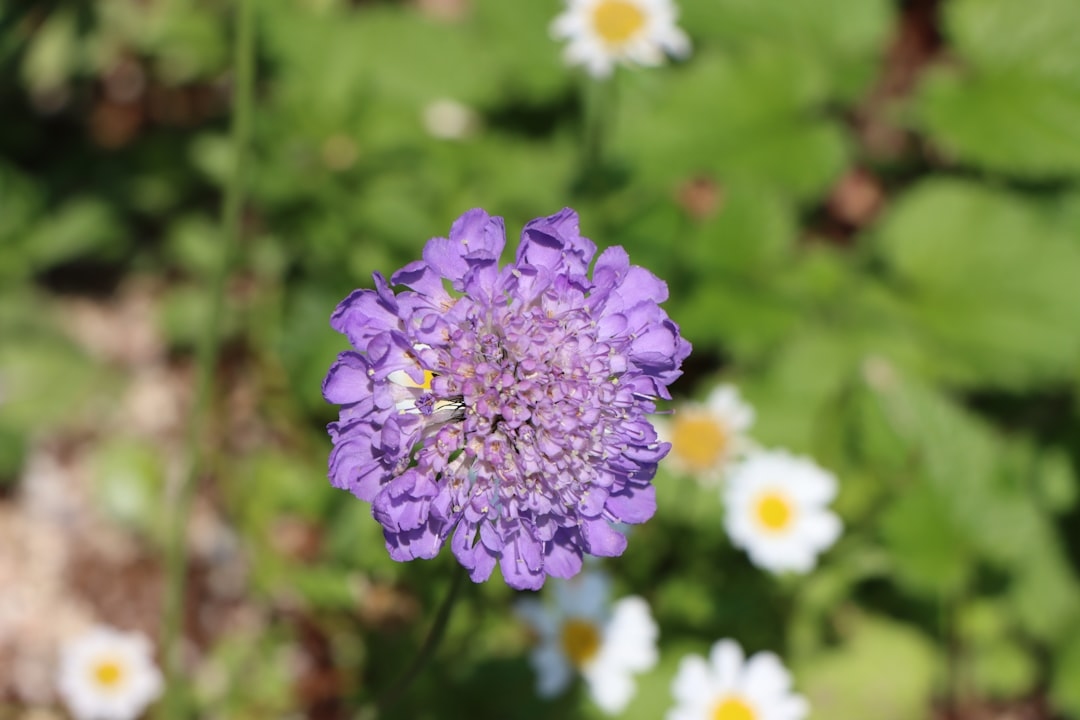
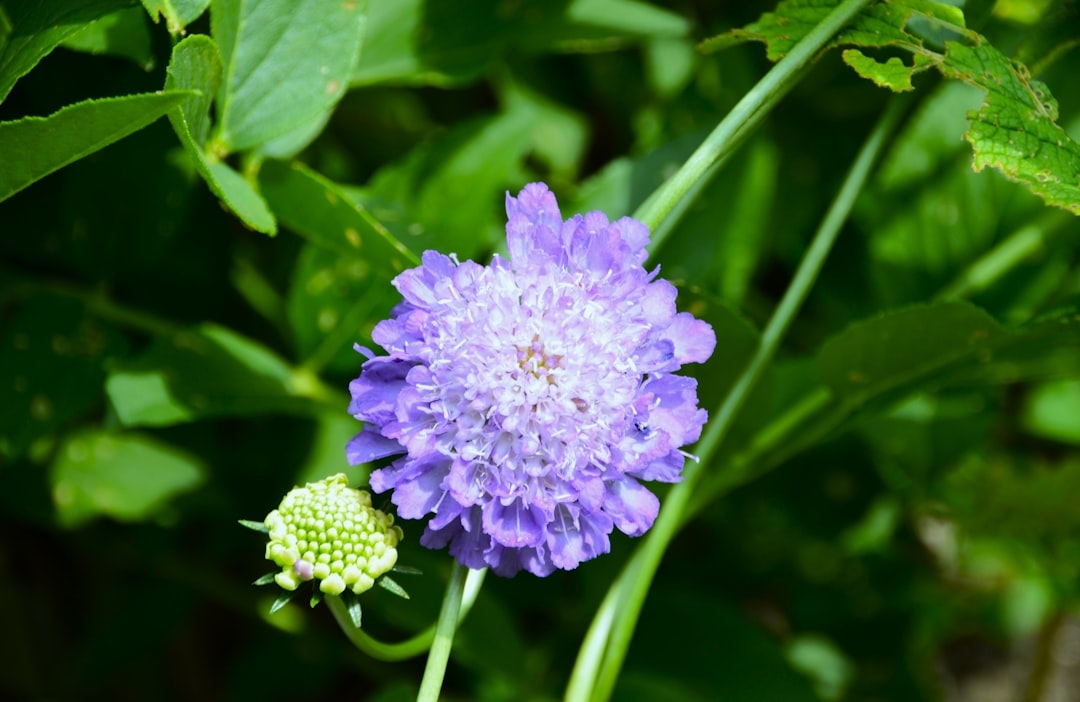
Imagine a bouquet of roses and ranunculus. Now add in a few stems of scabiosa. Suddenly, the arrangement transforms: it’s not just lush, it’s lively. That’s the “pincushion” effect. Scabiosa, sometimes called “pincushion flower,” has spiky-edged petals that surround a bumpy, textured center, instantly drawing the eye.
Florist Chelsea Samuels of Petals & Love in Chicago says,
“Scabiosa is the easiest way to make a bouquet look modern and wild–even just three stems can change the whole vibe.”
Beyond looks, the texture is useful. When designers want to break up dense flowers (think peonies or hydrangea), scabiosa’s quirky heads and bendy stems prevent things from looking stiff. The seed pods, a byproduct after blooming, are even more coveted. These little orbs add sculptural intrigue–some arrangements use pods alone, especially in winter.
Quick Comparison: Scabiosa vs. Similar Textural Flowers
| Flower | Vase Life (days) | Cost per Stem (USD, 2026) | Seasonality | Texture Type |
|---|---|---|---|---|
| Scabiosa | 5-8 | $1-2 | Year-round* | Pincushion |
| Craspedia | 14+ | $2-3 | Year-round | Ball-shaped |
| Nigella | 6-10 | $1-2.50 | Spring-Summer | Lacy/Pods |
| Allium | 7-12 | $3-4 | Late Spring | Globe |
*Select greenhouse-grown varieties are now available in the US year-round as of 2026.
Color Range: Soft, Moody, and Rare Finds
Scabiosa isn’t just a one-trick pony when it comes to color. The most common, Scabiosa atropurpurea, covers everything from soft buttercream yellows to deep plum, with periwinkle blues and dusty pinks in between. For florists, especially those working in events, this wide color range is gold.
Trending Hues for 2026
- Pale Lavender: In high demand for garden-inspired weddings.
- Black Knight: Nearly-black petals, perfect for dramatic or moody designs.
- Faded Blush: Soft pink, popular in everyday bouquets and Mother’s Day arrangements.
- White Fama: Creamy white, a staple for classic American weddings.
Bulk flower vendors like Mayesh and FlowerMX now offer at least eight different scabiosa colors for overnight US delivery. Prices hover around $16-$20 per 10-stem bunch, a mid-tier cost compared to premium blooms.
Florist expert Andrea Valenzuela, AIFD, shares,
“When you need both texture and a specific less-common shade, scabiosa pretty much always delivers.”
Vase Life and Handling: Behind-the-Scenes Advantages
A flower’s real test isn’t just how it looks, but how long it lasts, and how well it travels. Scabiosa scores well here. Properly conditioned, it holds for 5 to 8 days, sometimes longer if sourced fresh and kept out of direct sun.
- Hydration: After cutting, scabiosa needs a deep drink–florists recommend at least 2 hours in clean water before arranging.
- Stem Flexibility: The wiry stems are sturdy but easy to manipulate, making design work less fussy.
- Shipping: Scabiosa can be shipped dry-packed for up to 48 hours–a huge plus for US event florists and online sellers like The Bouqs, who source nationally.
Pro Tip
“Scabiosa is one of the least fussy flowers for event installs. It handles well even if you have to move arrangements multiple times,” says NYC event designer Jonah Rios.
Blooming Both Ways: Local and Global Supply
Historically, scabiosa was a seasonal wildflower. In 2026, advances in greenhouse tech mean US-grown scabiosa is available almost year-round. California is the powerhouse–Valley Flora and Scenic Place Peonies both ramped up winter scabiosa in 2025-26. Imports from Colombia and Ecuador fill in the gaps, though US-grown generally lasts a day or two longer.
Where Florists Source Scabiosa
- Wholesale Flower Markets (e.g., Los Angeles Original Flower Market)
- Online Direct Sellers: Mayesh, FlowerMX, The Bouqs
- Local Farmers (especially spring-summer and in flower-forward cities like Seattle, Asheville, and Portland)
- Supermarkets: Trader Joe’s now regularly includes pale blue scabiosa in spring mixed bouquets (usually $7-$9 per bunch)
Versatility in Arrangements: From Boho to Luxe
Scabiosa has design range. Drop it in a mason jar with sweet peas and cosmos for a wildflower effect, or pair with orchids and ranunculus in a $250 centerpiece for the Plaza Hotel. It’s one of the few flowers that bridges casual “field-picked” looks and high-glam.
Design Applications
- Wedding Bouquets: Adds airy movement and color contrast.
- Boutonnieres: The compact head is sturdy, and the pods are especially popular for rustic weddings.
- Centerpieces: Use as a textural accent among rounder blooms.
- Pressing & Drying: Seed pods dry beautifully, used in keepsake work and floral installations.
Scabiosa in the US Flower Market: Data Snapshot
- In 2026, scabiosa appears in 53% of “wildflower-style” wedding bouquets posted on Instagram (source: FloralTrends US analysis).
- According to the Society of American Florists, demand for scabiosa increased by 22% from 2023 to 2026, faster than any other accent flower except bunny tail grass.
- Top 3 US cities for scabiosa sales: Los Angeles, Brooklyn, and Austin.
Pull-Quote
“It’s the flower people don’t know they love–until they see it in a bouquet,”
– Chelsea Samuels, owner of Petals & Love, Chicago
FAQ: Scabiosa and Floristry in 2026
What is scabiosa commonly called in the US flower industry?
Scabiosa is often referred to as “pincushion flower” by American florists, thanks to its distinctive, rounded, bumpy flower heads.
How much does scabiosa cost for florists in 2026?
Most US-based wholesale scabiosa sells for $1-$2 per stem, or $16-$20 for a standard 10-stem bunch. Retail bouquet prices may vary.
How long does scabiosa last in a vase?
With proper hydration and care, scabiosa typically holds 5 to 8 days in a vase, making it ideal for both short-term arrangements and event work.
Are scabiosa flowers suitable for drying?
Yes–the seed pods, in particular, dry well and hold up for months. Some florists use dried scabiosa pods in wreaths and installations.
Can US consumers buy scabiosa bouquets directly online?
Absolutely. Major services like The Bouqs, UrbanStems, and some local florists now offer scabiosa bouquets and mixed bunches, often with overnight shipping.
What’s Next for Scabiosa: Your Turn
Thinking of using scabiosa yourself? Try picking up a bunch the next time you’re at your local Whole Foods or farmer’s market. Pair it with something lush and familiar–roses, tulips, even sunflowers. See how the texture pops and the colors play. You’ll understand why it’s an insider favorite. And if you’re a florist, keep an eye on new varieties rolling out in 2027: rumor has it “Lemon Sherbet” and “Midnight Velvet” scabiosa are set to be the next big trend in US arrangements.


Add Comment