Contents:
- Why Are Peonies So Popular with Florists? (Direct, Scannable Answer)
- The Allure of Peonies: Color, Form, and Fragrance
- Visual Drama
- Scented Appeal
- Peony Availability: The Limited-Season Advantage
- Why Seasonality Drives Demand
- Peonies in Flower Design: Flexibility and Focal Power
- Bouquets, Centerpieces, and Installations
- Vase Life and Customer Satisfaction
- Peonies vs. Other Popular Florist Flowers: A Comparison
- Sourcing and Sustainability in the Peony Trade
- Where American Florists Get Their Peonies
- Peonies and the US Event Market: A Big-Budget Bloom
- Caring for Peonies: Florist Secrets to Stronger Blooms
- Conditioning Peonies for Maximum Vase Life
- The Peony Effect: Marketing, Social Media, and Customer Demand
- Do peonies cost more than roses in the US?
- How long do peonies last in a vase?
- When are peonies available in the US?
- Are peonies sustainable flowers?
- What types of peonies do florists use the most?
- Keep Peony Magic Blooming
What Makes Peonies So Popular with Florists
A peony in full bloom stops you in your tracks – all ruffled petals, heady scent, and colors vivid enough to put a filter on any phone camera to shame. In the US, spring florists clamor for them. In fact, from April through June, Google searches for “peony delivery” outpace searches for nearly every other flower except roses. Walk into a Brooklyn studio or scroll the Instagram feed of Nashville’s best wedding designer, and chances are those pillowy blooms will be front and center.
But why do peonies get all this love from florists? Is it just the look, or is there more? Here’s the full scoop – with numbers, florist tips, and the real reasons these blooms have become America’s spring flower obsession.
Why Are Peonies So Popular with Florists? (Direct, Scannable Answer)
Peonies are popular with florists because they offer unmatched visual impact, a romantic fragrance, and versatility in arrangement styles. Their large, lush heads can serve as a dramatic focal point in bouquets, while their color range fits nearly any occasion. Peonies also have a strong vase life (often 5-7 days post-arrival if properly conditioned), making them reliable for event work. Although available for only about eight weeks in most US regions, their seasonal exclusivity adds to their desirability. High demand drives up resale prices, providing florists with strong profit margins during peony season.
The Allure of Peonies: Color, Form, and Fragrance
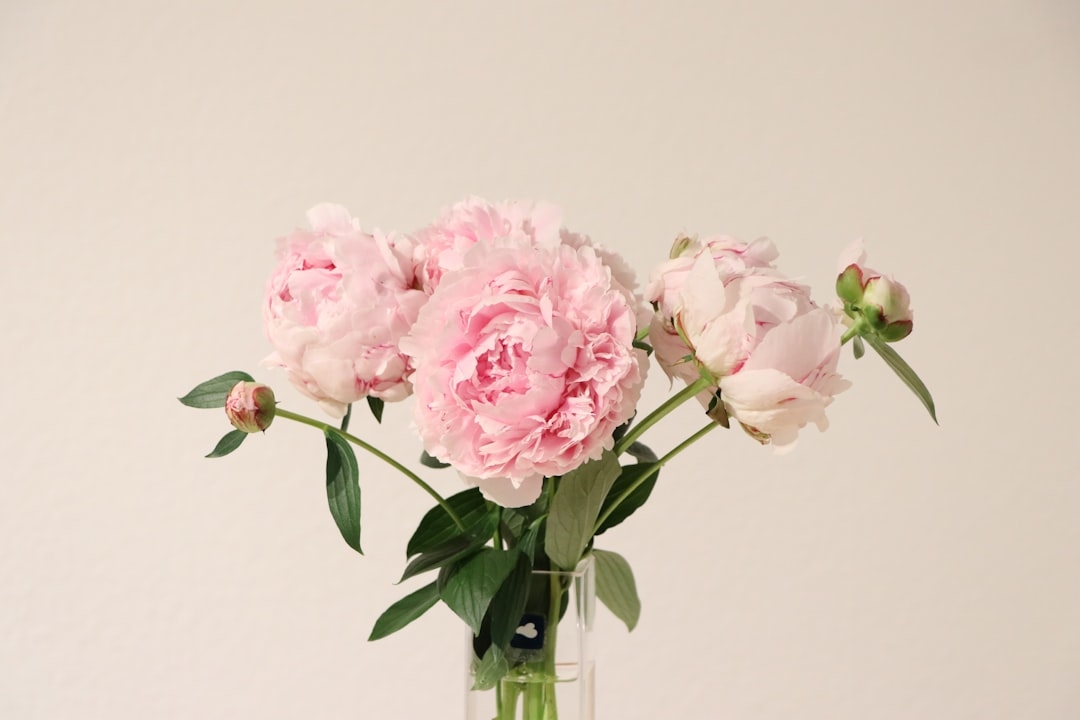
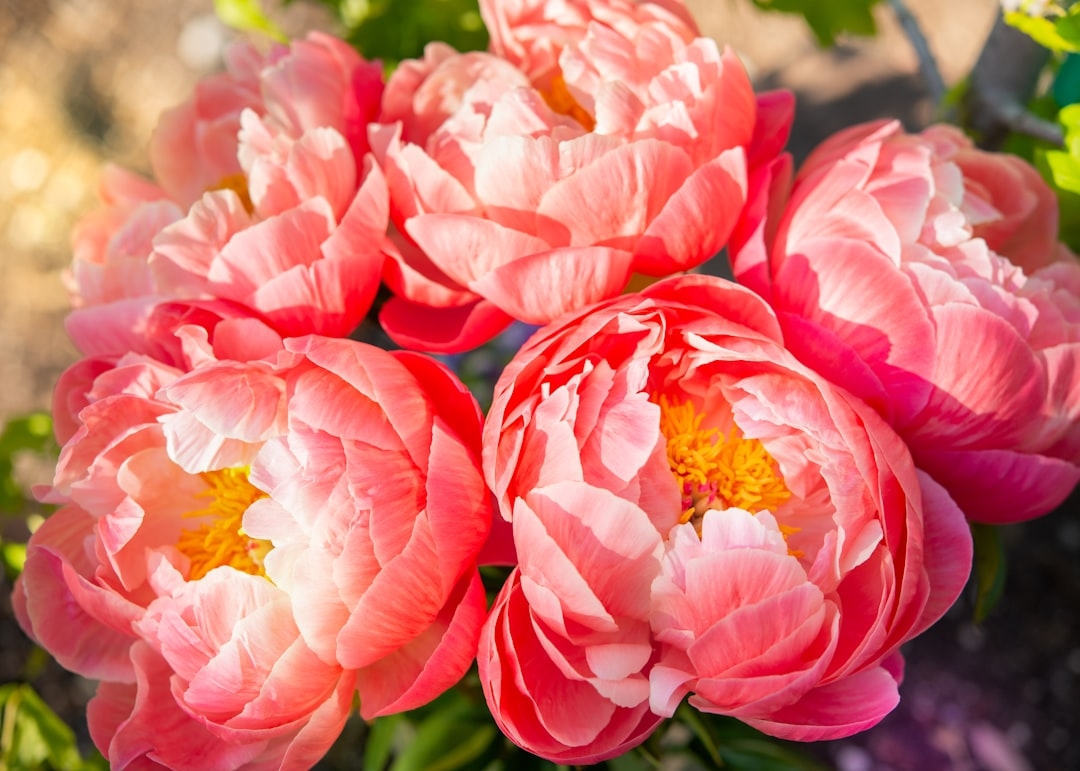
Peonies aren’t just one thing. They’re a spectrum: from tissue-thin petals blushing sweet pink, to deeply frilled bomb types in magenta and coral, to ivory double blooms as fluffy as meringue.
Visual Drama
- Size matters: Standard peony heads range from 3 to 7 inches across, dwarfing most ranunculus or garden roses.
- Textures for days: Florists love mixing single, semi-double, and double varieties for that lush, layered look.
- Palette range: Classic Sarah Bernhardt (pale pink), Coral Charm (sunset orange), and Festiva Maxima (white with crimson flecks) are mainstays.
Scented Appeal
Not all varieties are fragrant, but those that are–like Duchesse de Nemours–offer a scent somewhere between roses and fresh laundry. According to Julia Alvarez, lead designer at Seattle’s Wild Iris Florals, “Peony fragrance is one of the most-requested by June brides. It’s nostalgia and freshness in a single stem.”
Peony Availability: The Limited-Season Advantage
There’s a peony window. In the US, most field-grown American peonies are at their best from late April through June, with Alaska-grown stems extending the season into July and sometimes August. Outside of those months, imported options (mainly from Chile and New Zealand) are pricier and less fresh.
Why Seasonality Drives Demand
- Short supply, big buzz: With only 8-10 weeks of prime blooms, peony season becomes a marketing event for florists.
- Higher resale prices: Wholesale peony prices in 2026 averaged $4-$7 per stem, compared to $2-$3 for standard roses (source: FlowerWholesalersUSA.com).
- Event-driven surge: Weddings, Mother’s Day, and graduation season collide with peony’s prime–driving both demand and price.
“Peony season is like Black Friday for florists. We build entire marketing pushes around those weeks,” says Samantha Chen, owner of Chicago’s Petal & Stem.
US Peony Season at a Glance
| Region | Peak Season | Typical Price per Stem (2026) |
|---|---|---|
| California | Early May-Mid June | $5-$7 |
| Northeast/Midwest | Late May-June | $4-$6 |
| Alaska | July-Early August | $7-$9 |
| Imports (off-season) | Sept-March | $8-$12 |
Peonies in Flower Design: Flexibility and Focal Power
Peonies don’t just look good – they make design easier.
Bouquets, Centerpieces, and Installations
- Focal showstopper: One or two peony heads can replace a dozen smaller blooms in a bridal bouquet or table arrangement.
- Mixes well: Peonies pair seamlessly with roses, ranunculus, tulips, and seasonal greenery like eucalyptus and dusty miller.
- All styles covered: From wild garden arrangements to classic tight wedding bouquets, peonies are at home.
Pull-Quote
“With peonies, I can create a $250 bridal bouquet that looks and feels like a $500 one. Clients notice the difference instantly.”
– David Li, Lead Florist, Atlanta, GA
Vase Life and Customer Satisfaction
While peonies are sometimes thought of as fragile, properly conditioned stems last 5-7 days in arrangements (Dr. Emily Tan, Horticulture Ph.D., University of Illinois). Florists often store closed “marshmallow” buds in coolers, allowing for just-in-time blooming to maximize vase life.
Peonies vs. Other Popular Florist Flowers: A Comparison
Why peonies over roses, hydrangeas, or dahlias? Here’s a quick breakdown.
| Flower | Vase Life (days) | Avg. US Price (2026) | Fragrance | Bloom Size | Seasonal Availability |
|---|---|---|---|---|---|
| Peony | 5-7 | $4-$9 | Moderate | 3-7 in | Seasonal (April-July) |
| Rose | 7-10 | $2-$5 | Variable | 2-4 in | Year-round |
| Hydrangea | 7-10 | $3-$6 | Mild | 5-10 in | May-Oct (US grown) |
| Dahlia | 3-5 | $2-$4 | None | 2-6 in | June-Oct (US grown) |
| Ranunculus | 5-8 | $2-$4 | None | 1-3 in | Feb-May (CA), imports |
Peonies hit the sweet spot: dramatic size, fragrance, and an exclusivity factor that makes them a must-have during their brief window.
Sourcing and Sustainability in the Peony Trade
In 2026, the US peony industry is seeing a push toward domestic sourcing and sustainable practices.
Where American Florists Get Their Peonies
- Domestic farms: States like Alaska, Michigan, Wisconsin, and Oregon now produce much of the nation’s peony crop.
- Imports: Off-season supply comes mostly from Chile, Israel, and New Zealand.
The Sustainability Question
- Local = fresher: US-grown peonies spend less time in transit, so they arrive fresher and with a lower carbon footprint.
- Pest and disease resistance: Newer varieties bred by American growers, such as “Coral Sunset” and “Bowl of Cream,” are hardier and chemical-free.
“Sourcing local peonies means we can promise our clients bigger, longer-lasting blooms – and support family farms,” explains Maya Hernandez, owner of Boston’s Sprout & Bloom, who ships arrangements nationwide via UrbanStems.
Peonies and the US Event Market: A Big-Budget Bloom
Major events drive much of the peony demand spike each year.
- Weddings: According to The Knot’s 2026 Wedding Trend Report, peonies remain in the top three most-requested bridal flowers in the US, with 57% of couples listing them in their must-have list.
- Mother’s Day: Peony sales see a 150% week-over-week jump at US florists the week leading up to Mother’s Day (source: FloristUSA Market Tracker).
- Corporate events: High-end brands like Chanel and Tiffany routinely feature peony-heavy installations for product launches.
Florists factor in these surges, often pre-ordering peonies months in advance and using them as a centerpiece of marketing campaigns.
Caring for Peonies: Florist Secrets to Stronger Blooms
Want those lush heads to last? Top US florists swear by these best practices:
Conditioning Peonies for Maximum Vase Life
- Start with closed buds (“marshmallow stage”): They last longer and open in the vase.
- Cold storage: Store stems at 34-36°F until needed.
- Hydration tricks: Recut stems under water and use flower food or simple sugar solutions.
- Remove excess foliage: This keeps water clean and prevents bacteria.
According to Dr. Emily Tan, “With proper care, peonies can rival premium roses in vase life–especially newer varieties bred for florists.”
The Peony Effect: Marketing, Social Media, and Customer Demand
Peonies are Instagram royalty. Each spring, #peonyseason racks up millions of posts, and trending reels of peony buds “exploding” open drive sales spikes.
- Visual marketing: High engagement on social media translates to real sales–UrbanStems and BloomNation both report a 30% bump in peony-related orders during May-June.
- Customer requests: Many US florists report that peonies generate more direct requests than any other spring flower, outpacing even tulips and ranunculus.
Florists capitalize by building peony-forward offerings–bouquet-of-the-week specials, “peony party” classes, and limited-edition arrangements.
FAQ: All About Peonies in Floristry
Do peonies cost more than roses in the US?
Yes, during peak season (May-June), wholesale peony prices generally range from $4-$7 per stem, while standard roses are $2-$3. Off-season, imported peonies can cost $8-$12 per stem.
How long do peonies last in a vase?
With proper conditioning, peonies typically last 5-7 days after reaching peak bloom. Keeping them cool, changing water daily, and removing extra leaves helps extend their vase life.
When are peonies available in the US?
Most US-grown peonies are available from late April through June. Alaska extends availability into July and early August. Off-season imports are limited and significantly pricier.
Are peonies sustainable flowers?
Many florists prioritize locally-grown peonies from US farms, which reduces transport emissions and supports domestic agriculture. Look for certified American Grown flowers for the most sustainable option.
What types of peonies do florists use the most?
Popular varieties for florists include Sarah Bernhardt (pink double), Coral Charm (coral), Duchesse de Nemours (white, fragrant), and Festiva Maxima (white with red flecks).
Keep Peony Magic Blooming
If you’re a flower lover or in the business of gifting beauty, don’t let peony season pass you by. Order early, ask your florist about local varieties, and consider booking your wedding or event in those fleeting months when these showstoppers are at their freshest. And if you’re a florist? Craft your spring marketing calendar around the peony rush – your bouquets (and your bottom line) will thank you.




Add Comment