Contents:
- Do True Black Flowers Really Exist? (Scannable Answer)
- Why Is Black So Elusive in the Flower World?
- The Science of Petal Pigments
- Color Perception Tricks
- Famous “Black” Flowers in the Wild and Garden
- ‘Queen of Night’ Tulip
- ‘Black Baccara’ Rose
- How Do Breeders Make Darker Flowers?
- Selective Breeding and Genetics
- Dyes and Floristry Tricks
- Symbolism: Why Are We Obsessed with Black Blooms?
- Can I Grow “Black” Flowers at Home in the US?
- Best “Black” Varieties for American Gardens
- Tips for The Darkest Effect
- Are Black Flowers Rare or Expensive?
- The Allure of Black in Modern Floristry
- Trending Designs, 2026
- Pull-Quote
- FAQ – True Black Flowers
- What is the darkest naturally occurring flower?
- Are there any black roses?
- How do florists make black flowers?
- Do black flowers have any special meaning?
- Can I order black flowers online in the US?
- Want More Drama in Your Garden or Arrangements?
True Black Flowers – Do They Exist?
Imagine standing in the cool dawn air, coffee in hand, staring at a garden illuminated by moonlight. Among the reds, pinks, and yellows, a flower so deep, so dark, it looks as if it could swallow light itself–a true black bloom. Is it fantasy, Photoshop, or real horticultural magic? The pursuit of jet-black flowers has obsessed breeders, botanists, and florists for generations.
Do True Black Flowers Really Exist? (Scannable Answer)
No, there is no naturally occurring truly black flower. What florists and gardeners often call “black” flowers are actually deep, dark shades of purple, maroon, or red. Lighting, background, and even emotions can influence how black a flower looks. While plant breeders have created cultivars that appear extremely dark–think ‘Black Baccara’ roses or ‘Queen of Night’ tulips–nature’s palette simply can’t make a pigment that pure.
Key Points:
- True black pigment doesn’t exist in flowers.
- Darkest flowers are deep purple, red, or burgundy.
- Selective breeding produces varieties that appear black to the eye.
Why Is Black So Elusive in the Flower World?
The Science of Petal Pigments
Floral colors come from pigments–mainly anthocyanins, carotenoids, and betalains. These molecules produce every shade from canary yellow to indigo blue. “There’s no known plant pigment that absorbs all visible light, which you’d need for black,” says Dr. Hannah Levinson, a horticultural geneticist with the University of California, Davis. “The closest are ultra-dark purples or reds, but they always reflect a hint of color in sunlight.”
Color Perception Tricks
Sometimes, environment and context help a flower read as black. For example:
- Backlit petals can look much darker at sunset.
- Paired with light foliage, dark blooms appear almost jet-black.
- Overcast skies or shade intensify the illusion.
Florists use these tricks every Valentine’s Day and Halloween to meet the US market’s thirst for drama and novelty.
Famous “Black” Flowers in the Wild and Garden
Some flowers have achieved almost legendary status among flower lovers for their near-black appearance. Here’s a look at a few American favorites:
| Variety | Type | Market Price (2026, USD) | Typical Color Description |
|---|---|---|---|
| ‘Queen of Night’ Tulip | Tulip | $1.75/stem | Deepest maroon, nearly black |
| ‘Black Baccara’ | Rose | $5-$7/stem | Velvet red-black |
| ‘Black Star’ Calla Lily | Calla Lily | $4/stem | Rich eggplant purple, velvety sheen |
| ‘Black Panther’ Pansy | Pansy | $3/pot | Black-velvet petals with yellow eye |
| ‘Nigra’ Hollyhock | Hollyhock | $5-$10/pot | Deep, wine-black single blooms |
‘Queen of Night’ Tulip
A Dutch classic. When massed together, these tulips create a river of shadow in spring gardens.
‘Black Baccara’ Rose
First introduced by Meilland International (France), this velvet-petaled hybrid tea rose is the showstopper in dramatic arrangements.
“Clients request black roses for everything from modern weddings to Halloween parties,” says Jenna Cruz, owner of Midnight Floral in Brooklyn, NY. “’Black Baccara’ is our top pick–they look almost unreal in a bouquet.”
How Do Breeders Make Darker Flowers?
Selective Breeding and Genetics
Breeders cross existing dark varieties and select offspring with the richest color saturation. This process can take decades. For example, tulip breeders in the Netherlands spent nearly 100 years refining ‘Queen of Night’. Some advanced methods now use CRISPR and gene editing, but US regulations remain strict, and no gene-edited black flowers are commercially available as of 2026.
Dyes and Floristry Tricks
For events where only black will do, florists sometimes use:
- Floral spray paint (brands like Design Master)
- Stem absorption techniques (think blue-dyed carnations, but for black)
- Tinted water for cut flowers
These methods temporarily deepen color but don’t create genetically black flowers.
Symbolism: Why Are We Obsessed with Black Blooms?
Black flowers have a powerful mystique. In the US, they symbolize rebellion, sophistication, and sometimes mourning. Gothic weddings, upscale dinner parties, and “Black Flower Friday” sales at boutiques use black flowers to make a statement.
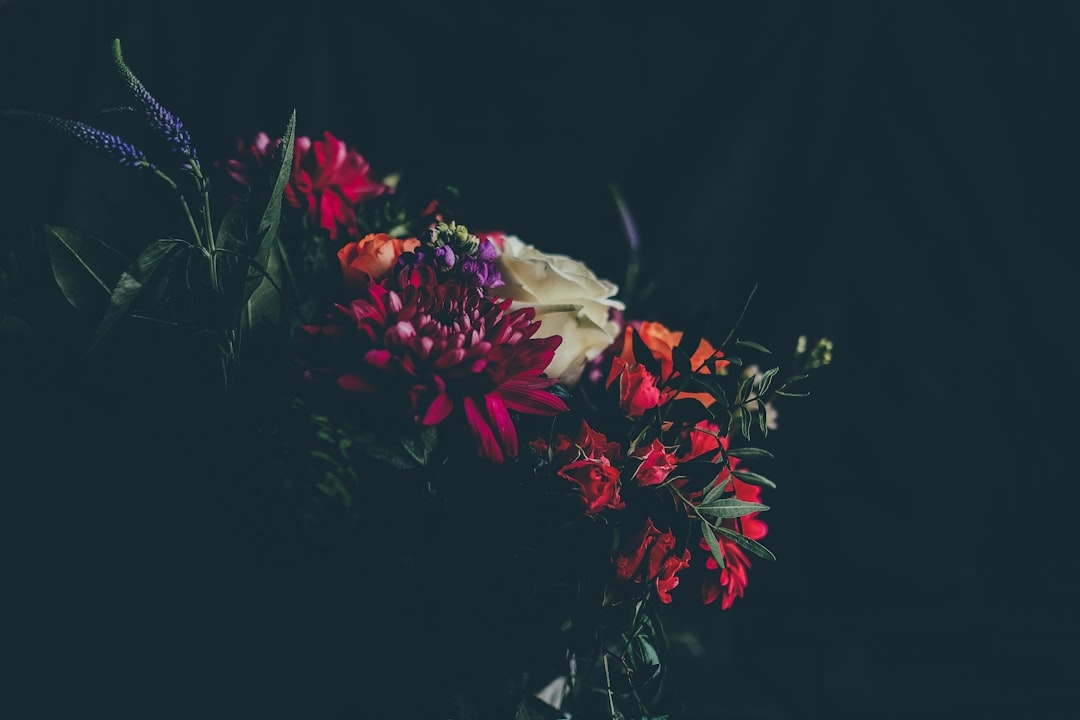
Fun fact: According to FTD’s 2025 consumer data, searches for “black rose bouquet” in the US jumped 220% in October–the spooky season effect.
Can I Grow “Black” Flowers at Home in the US?
Best “Black” Varieties for American Gardens
- ‘Queen of Night’ Tulip: Hardy in USDA Zones 3-8. Plant in fall, blooms in late spring.
- ‘Black Prince’ Viola: Perfect for containers; thrives in cool-season gardens.
- ‘Black Velvet’ Petunia: Annual; dramatic in summer pots.
- ‘Black Knight’ Scabiosa: Attracts pollinators and is long-lasting as a cut flower.
Tips for The Darkest Effect
- Plant against a white or silver backdrop for maximum contrast.
- Group in masses–single stems often look faded.
- Choose shady spots to intensify darkness.
Are Black Flowers Rare or Expensive?
In the US, near-black varieties often cost 10-30% more per stem than their red or pink cousins, simply due to demand and lower yields. Black roses, in particular, are a luxury item around Halloween and Valentine’s Day. Dried and preserved options (like those from Venus ET Fleur) can keep the look lasting for a year or more.
“Our black rose arrangements start at $125 for a dozen,” shares Kelly Zhang, Head Designer at LuxeBlooms LA. “They’re not just flowers–they’re a mood.”
The Allure of Black in Modern Floristry
Trending Designs, 2026
- Monochrome bouquets mixing black, white, and silver
- Minimalist arrangements with black calla lilies and eucalyptus
- Edgy event installations: trailing black sweet peas, deep burgundy dahlias, black foliage (think black mondo grass)
These looks dominate Instagram and TikTok, where #blackflowers saw over 3 million US views in March 2026 alone.
Pull-Quote
“Is it really black? Maybe not. But when someone walks in and gasps, you know you’ve nailed the look.”
– Jenna Cruz, Midnight Floral, Brooklyn, NY
FAQ – True Black Flowers
What is the darkest naturally occurring flower?
The deepest shades in nature come from varieties like ‘Queen of Night’ tulip, ‘Black Baccara’ rose, and black pansies. These appear nearly black, but up close, you’ll notice hints of dark purple or red.
Are there any black roses?
No wild rose species produces truly black blooms. Popular black roses, like ‘Black Baccara’, are deep red or purple hybrids. Some florists create black roses using dyes for special occasions.
How do florists make black flowers?
Most black-appearing flowers are grown from dark-blooming cultivars. For true black, florists may use floral spray paint, stem dyeing, or colored water absorption to temporarily deepen the color.
Do black flowers have any special meaning?
In American culture, black flowers represent mystery, elegance, and uniqueness. They’re popular choices for non-traditional events, gothic weddings, and as a statement of sophistication.
Can I order black flowers online in the US?
Yes. You can find “black” tulips, calla lilies, and roses via US services like UrbanStems, Teleflora, or farm-direct sites like American Meadows–expect to pay a premium for rare varieties.
Want More Drama in Your Garden or Arrangements?
Start planning a patch or bouquet with “black” blooms this season. Seek out the darkest cultivars, play with contrasting foliage, and experiment with floral design tricks. While a true black flower may never exist in nature, you can still claim a piece of the mystery and allure for yourself–no Photoshop required.



Add Comment