Contents:
- Are Preserved Flowers Actually Sustainable? (Straight Answer)
- What are Preserved Flowers and How Are They Made?
- The Preservation Process
- How Long Do They Last?
- The Environmental Pros and Cons of Preserved Flowers
- Sustainability Wins
- Sustainability Shortfalls
- Preserved Flowers vs. Fresh vs. Dried: What’s Really Greener?
- The Chemicals Question: Are Preserved Flowers Safe?
- Are There Toxic Chemicals?
- Can They Be Composted?
- The Human Impact: Labor, Sourcing, and Local Floristry
- How to Buy the Most Sustainable Preserved Flowers
- Pull-Quote
- FAQ: Preserved Flower Sustainability in 2026
- What makes preserved flowers different from dried flowers?
- Do preserved flowers help cut down on waste?
- Are preserved flowers compostable?
- Are preserved flowers safe for homes with pets?
- How can I find eco-friendly preserved flower brands in the US?
- What’s Next? Making Flowers Last–And Matter
The truth about preserved flower sustainability
A single rose can last years on your desk–but is that a sustainable choice, or just a clever illusion? The preserved flower industry promises beauty that endures, with “everlasting” arrangements popping up from New York to San Francisco. But behind those perfect petals, there’s a real debate: are preserved flowers the eco-friendly future, or just another greenwashing trend?
Are Preserved Flowers Actually Sustainable? (Straight Answer)
Preserved flowers are semi-sustainable: they last much longer than fresh-cut flowers–often a year or more–and reduce waste from frequent replacements. However, preservation relies on chemical processes (like glycerin and dyes), imported blooms, and plastic-heavy packaging, all of which have environmental impacts.
Compared to fresh flowers shipped weekly, preserved arrangements can be more sustainable if they replace multiple buys and are responsibly disposed of. But they aren’t as green as locally-grown, compostable flowers. The bottom line: preserved flowers are better than fast-fading bouquets, but not the pure eco-halo some brands claim.
What are Preserved Flowers and How Are They Made?
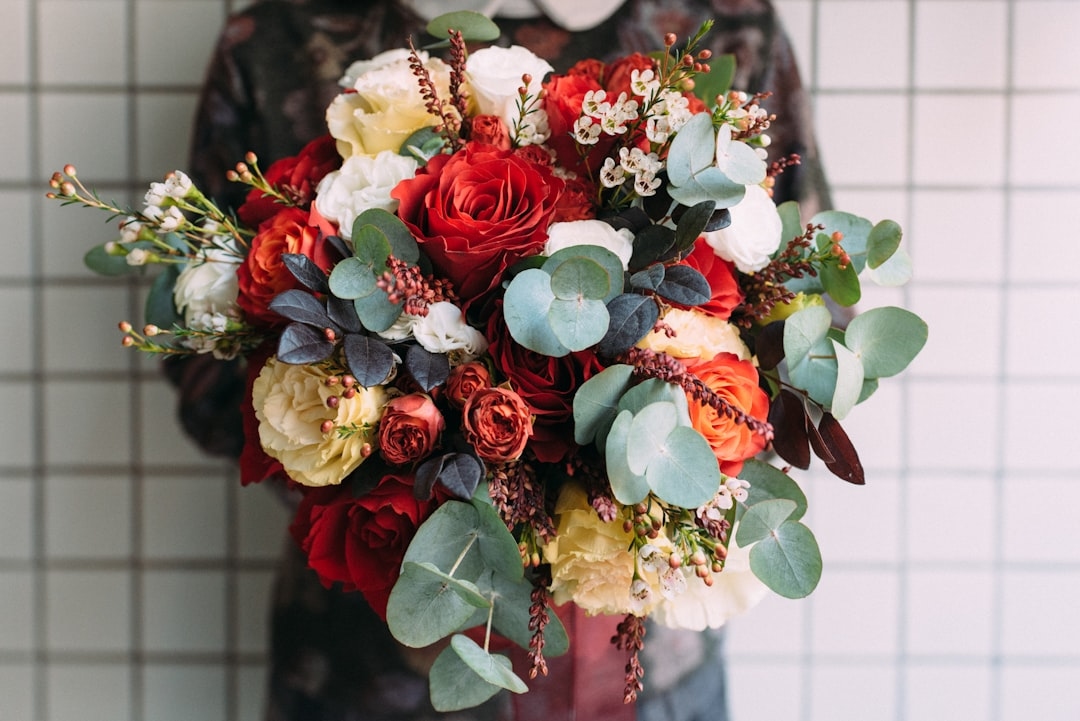
Preserved flowers aren’t just dried. They undergo a sophisticated process to lock in softness and color, often making them indistinguishable from fresh blooms at a glance.
The Preservation Process
Most commercial preserved flowers (think Venus et Fleur, The Million Roses, Eternal Fleur) use the “glycerin method.” Here’s how it works:
- Harvest at Peak: Flowers are cut at their prime, usually grown in Ecuador or Colombia.
- Water Replacement: Fresh stems are submerged in a non-toxic glycerin and dye solution; water exits, glycerin enters.
- Color Enhancement: Some flowers are naturally colored, but many are tinted with synthetic or food-safe dyes to get vivid, on-trend hues.
- Final Touches: Flowers are arranged and sold in decorative boxes–often acrylic or cardboard, rarely recyclable.
“Most preserved roses in our shop come from Ecuador, preserved within days of cutting,” says Jamie Lin, owner of Brooklyn’s Fable Floristry.
How Long Do They Last?
With good care (no direct sun, no water), preserved flowers last 12-36 months–sometimes longer for hardy species. In contrast, a red rose from 1-800-Flowers lasts 5-7 days in a vase.
The Environmental Pros and Cons of Preserved Flowers
Talking “sustainability” means looking at the full life cycle–from farm to landfill.
Sustainability Wins
- Less frequent replacements: One preserved bouquet can replace a dozen weekly fresh bouquets in a year–saving water, fuel, and packaging.
- Lower transport frequency: Less frequent shipping for the end customer; one shipment, not twelve.
- Reduced water usage: Once preserved, no more watering (US EPA: a standard vase of flowers uses about 0.5 gallons during its week-long life).
- Less organic waste: Fewer wilted stems finding their way to city landfills.
Sustainability Shortfalls
- Chemical processing: Glycerin and dyes, while often non-toxic, are resource-intensive. Some dyes may not break down easily in the waste stream.
- Energy use: Preservation factories use electricity–sometimes more than standard cut-flower coolers.
- Plastic packaging: Many brands ship in non-recyclable acrylic boxes or with foam inserts.
- Global shipping: Most preserved flowers are imported from South America or China, not locally grown.
Stat to know: An MIT study (2023) found that the average preserved bouquet has a 30% lower carbon footprint over two years if it truly replaces at least six fresh arrangements. Otherwise, the savings disappear.
Preserved Flowers vs. Fresh vs. Dried: What’s Really Greener?
Choosing flowers for your home or event? Here’s how the three main types stack up:
| Type | Lifespan | Typical Source | Water Use | End of Life | Eco Impact |
|---|---|---|---|---|---|
| Fresh (cut) | 5-10 days | Local/Imported, seasonal | High | Compost/Trash | Highest if imported |
| Dried (air-dried) | 3-12 months | Local/Imported | Low (post-harvest) | Compostable/trash | Low if air-dried |
| Preserved (glycerin) | 1-3 years | Mostly imported | None (after prep) | Landfill (often non-biodegradable) | Medium |
“Preserved flowers can be a sustainable choice, especially if they truly replace repeated purchases–not if they’re just bought as novelty gifts and tossed,” says Dr. Samuel Ortega, botanist and sustainability researcher at the University of California, Davis.
The Chemicals Question: Are Preserved Flowers Safe?
The main ingredient in preserved flowers is glycerin, a plant-based byproduct that’s generally non-toxic (it’s in food and lotions). But not all preservatives and dyes are created equal.
Are There Toxic Chemicals?
Most US-imported preserved flowers must meet EPA and USDA safety regulations. Quality retailers like East Olivia and Landeau state their arrangements are “non-toxic and safe for homes with kids and pets.” But some cheaper imports might use banned chemical colorants or formaldehyde. Always buy from a reputable, transparent brand.
- Glycerin: Safe, biodegradable in small quantities.
- Dyes: Food-safe options exist, but some artificial dyes persist in soil/water.
- Other chemicals: Occasionally, ethanol or propylene glycol; rare for big US brands since 2024 regulations.
Can They Be Composted?
Unfortunately, most preserved flowers cannot be composted because:
- The cell structure is altered, so they break down very slowly.
- Dyes and preservatives may contaminate compost piles.
- Packaging is often acrylic or foam.
Some local composting services (New York, Seattle) accept small amounts if flowers are cut and the packaging is removed, but check before tossing.
The Human Impact: Labor, Sourcing, and Local Floristry
Preserved flowers are mostly sourced from South American flower farms–often the same large growers that supply US grocery chains.
- Labor Standards: Ecuador and Colombia’s flower industries have improved worker rights, yet still face scrutiny over pay and pesticide exposure.
- Local Impact: US cut flower farmers (mostly California, Oregon, Washington) see preserved imports as competition, since preservation is rarely done domestically at scale.
“Buying locally-grown, seasonal fresh or dried flowers is still the gold standard for people-first floristry,” notes Michelle Nguyen, owner of Blue Poppy Flower Co., Portland, OR.
How to Buy the Most Sustainable Preserved Flowers
Not all preserved flowers are created equal. Here’s how to make a smarter choice:
- Check for transparency: Does the brand state where flowers are grown and how they’re preserved?
- Look for certifications: Fair Trade, Rainforest Alliance, or Veriflora seals suggest better labor and environmental practices.
- Order minimal packaging: Avoid single-use acrylic boxes or excessive plastic wrapping.
- Buy classic designs: Neutral arrangements are more likely to fit future seasons and decor, minimizing fashion-driven waste.
- Support local florists: Some US shops preserve their own, using regionally-grown blooms for custom orders.
Pull-Quote
“The most sustainable flower is the one you keep the longest–and love the most. Sometimes that’s preserved, sometimes that’s a backyard daisy.”
– Jamie Lin, Fable Floristry, Brooklyn
FAQ: Preserved Flower Sustainability in 2026
What makes preserved flowers different from dried flowers?
Preserved flowers are treated with glycerin and dyes to maintain their soft texture and vibrant color for years. Dried flowers are simply air- or oven-dried, often becoming more brittle and faded. Preserved flowers last longer but usually use more chemicals.
Do preserved flowers help cut down on waste?
Yes, preserved flowers can reduce waste if they actually replace frequent fresh-flower purchases. A single preserved bouquet can stand in for 12 or more fresh ones per year, meaning less water, transit, and packaging overall.
Are preserved flowers compostable?
Most preserved flowers cannot be composted due to added chemicals and altered plant structure. The packaging is often landfill-only as well. Fresh or air-dried flowers are typically better for composting.
Are preserved flowers safe for homes with pets?
Generally yes, if purchased from a reputable brand that uses food-safe dyes and plant-based glycerin. Avoid arrangements with unknown chemicals, and always supervise curious pets.
How can I find eco-friendly preserved flower brands in the US?
Look for brands that disclose origin, use minimal packaging, and offer Fair Trade or eco-certifications. Some US florists make their own, using local flowers and non-toxic dyes–just ask!
What’s Next? Making Flowers Last–And Matter
Choosing flowers is never just about looks–it’s about values and impact. If you want beauty with a lighter footprint:
- Support local flower growers–ask for seasonal, US-grown stems.
- Reuse vases and avoid single-use packaging.
- Choose preserved flowers when you genuinely want long-term decor, not a throwaway trend.
The truth about preserved flower sustainability? It’s complicated. But a little curiosity, a few good questions, and a taste for timeless design can bring more meaning–and less waste–to every bouquet.


Add Comment