Contents:
- Fast Facts: What Is the Origin of the Bouquet Tradition?
- Bouquets in Antiquity: Rituals and Symbolism
- Ancient Egypt and the Wider Mediterranean
- Asia’s Unique Flowering Rituals
- The Medieval and Renaissance Flower Boom
- The Language of Flowers: Victorian Flower Craze
- The Rise of Floriography
- Bouquets as Status Symbols
- Modern American Bouquets: From Farm to Doorstep
- 20th-Century Innovations
- Birth of the Commercial Bouquet
- The Local Flower Movement
- Why Bouquets Matter: Emotion, Art, and Science
- A Gift That Speaks Volumes
- The Science of Arrangement
- Beyond Romance
- The Bouquet’s Future: Tech, Trends, and Traditions
- Digital Blooms and AI-Driven Design
- Preserving Traditions, Inventing New Ones
- FAQ: The History of the Bouquet Tradition
- When did people start giving bouquets as gifts?
- What is the meaning behind different bouquet flowers?
- How much do Americans spend on bouquets in 2026?
- What makes modern bouquets different from historical ones?
- Is the tradition of bouquets still popular in the US?
The History of the Bouquet Tradition
Imagine stepping into a 19th-century Parisian market. Stalls brim with violets and roses, their scents mingling in the cool air. Lovers exchange small, hand-tied posies–a silent message in every petal. Bouquets, it turns out, have been sharing our stories for thousands of years. They’re more than just decoration or last-minute Valentine’s Day gifts. Each arrangement carries a history as layered and expressive as the blooms themselves.
Fast Facts: What Is the Origin of the Bouquet Tradition?
Bouquets have ancient roots, originating in Egypt over 4,000 years ago as part of religious rituals and celebrations. The tradition spread globally, with notable developments in Greece, Rome, and Victorian England. Today, bouquets serve as expressions of emotion, key elements in celebrations, and vital players in the $36 billion U.S. floriculture industry (USDA, 2026).
Bouquets in Antiquity: Rituals and Symbolism
Ancient Egypt and the Wider Mediterranean
The evidence is clear: the first recorded use of bouquets dates back to ancient Egypt, around 2500 BCE. Egyptians saw flowers as symbols of life and rebirth, incorporating lotus blossoms, papyrus, and palms into temple offerings and funerals. Dr. Lila Brooks, a Los Angeles-based floral historian, points out, “Papyrus garlands were draped on pharaohs’ tombs. These garlands are the direct ancestors of modern flower arrangements.”
The tradition wasn’t just Egyptian. Ancient Greeks awarded victors laurel wreaths and fashioned fragrant herb bundles as status symbols. In Rome, elaborate floral crowns and bouquets colored banquets and public ceremonies. Rosemary, myrtle, and ivy had symbolic meanings–purity, love, and fidelity–that echo in today’s bridal bouquets.
Asia’s Unique Flowering Rituals
Meanwhile, in ancient China, flowers took on powerful cultural roles. The peony represented prosperity, and chrysanthemum meant longevity. Japanese ikebana–the artful, meditative arrangement of flowers–began during the Heian period (794-1185) and continues into 2026, with over a million practitioners worldwide (Ikebana International).
“Flowers transcend simple beauty–they’re woven into the fabric of our most sacred rituals.”
–Dr. Lila Brooks, Floral Historian
The Medieval and Renaissance Flower Boom
With Christianity’s spread across Europe, bouquets integrated into religious ceremonies and festivals. Monasteries grew herb and flower gardens; monks prescribed floral remedies and used blooms for altar adornment. By the Renaissance (1300s-1600s), bouquets burst onto the scene in paintings and public celebrations.
- Weddings: Brides in medieval Europe often carried bouquets–not for beauty, but for protection (garlic and herbs were believed to ward off evil or disease).
- Art: Dutch Golden Age paintings immortalized extravagant, overflowing arrangements, often featuring tulips–then more valuable than gold during the 1630s “tulip mania.”
During this era, scent mattered. Strongly scented flowers like lavender and rosemary masked less pleasant city smells, especially before modern hygiene.
The Language of Flowers: Victorian Flower Craze
The Rise of Floriography
The 1800s in England and the United States saw a bouquet renaissance. Victorians invented “floriography”–a complex language where every flower and color held a coded message. Published guides, like The Language of Flowers (first US edition, 1832), became bestsellers.
- Red Rose: True love
- Yellow Rose: Friendship or jealousy
- Lily of the Valley: Return of happiness
- Ivy: Fidelity
Gifting bouquets became a discreet way to communicate romantic interest or social intentions. This era also marks the birth of the professional florist. Entrepreneurial women and nurseries established businesses catering to the growing middle class, paving the way for iconic companies like FTD (est. 1910 in the US), still delivering in 2026.
Bouquets as Status Symbols
The Victorians were as obsessed with floral display as they were with etiquette. Society women competed with one another for the rarest, most artfully arranged bouquets at balls and dinners. “A well-chosen bouquet was as important as your jewelry,” explains Annalise Carter, lead designer at Brooklyn Blooms.
Modern American Bouquets: From Farm to Doorstep
20th-Century Innovations
The floral industry in the United States exploded after World War II, thanks to innovations in refrigeration, global shipping, and greenhouse technology. Suddenly, roses grew in Ecuador arrived in New York in under 24 hours. The Association of Specialty Cut Flower Growers notes that by 2026, more than 75% of cut flowers sold in the U.S. are imported.
Birth of the Commercial Bouquet
Brands like 1-800-Flowers (founded 1976) and The Bouqs Co. (est. 2012) changed how Americans send flowers. You can now choose, personalize, and deliver a bouquet anywhere in the country with a few taps on your phone. The most popular occasion? Mother’s Day, with over $2.5 billion spent on flowers in 2025 alone (National Retail Federation).
| Era | Key Features | Typical Flowers | Major Occasions |
|---|---|---|---|
| Ancient Egypt | Ritual, symbolic | Lotus, papyrus | Funerals, rituals |
| Victorian England | Coded language, status | Roses, lilies | Courtship, social events |
| Modern U.S. | Convenience, personalization | Mixed exotics, roses | Birthdays, holidays, sympathy |
The Local Flower Movement
In 2026, locally-grown sustainable bouquets are surging. Farmers’ markets across California, Florida, and Oregon feature farm-to-vase blooms. Eco-conscious florists–like Seattle’s Bloom & Branch–offer subscription models with all-American peonies, snapdragons, and sunflowers at $40-70 per bouquet.
“People crave flowers with a story–who grew them, where, and how.”
–Annalise Carter, Brooklyn Blooms
Why Bouquets Matter: Emotion, Art, and Science
A Gift That Speaks Volumes
A Rutgers University study (2024) found that receiving flowers triggers an immediate sense of happiness and gratitude that lasts for days–much longer than with most gifts. No wonder bouquets are still the go-to gesture for everything from apologies to anniversaries.
The Science of Arrangement
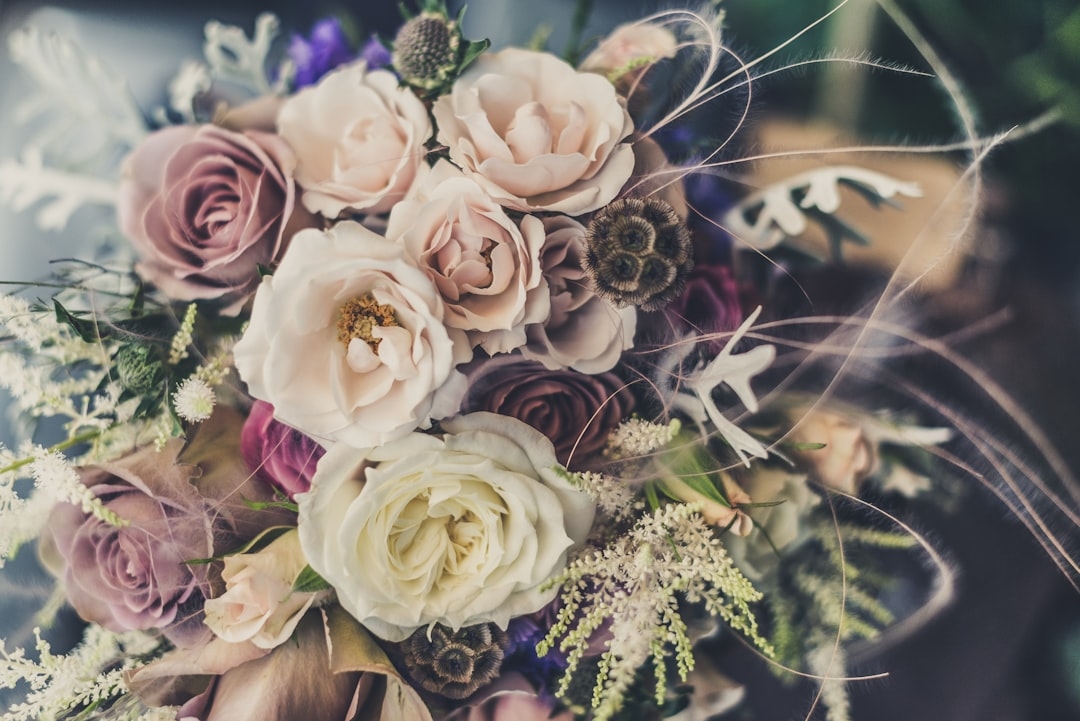
Modern florists blend art and psychology. The shape, color, and scent of blooms influence mood. “A rounded, multicolored bouquet evokes joy; a minimalist white arrangement suggests peace,” says Tomás Iglesias, M.F.A., Dallas-based floristry educator.
Florists today study design principles–contrast, rhythm, balance–just like visual artists. In 2026, “floral therapy” is a recognized wellness trend, with workshops popping up from San Diego to New York.
Beyond Romance
Bouquets aren’t just about love. They celebrate new babies, honor the departed, thank teachers, decorate stages, and even protest (think: the 2020s Flower Flash movement in New York, turning abandoned city spots into bursts of bloom).
The Bouquet’s Future: Tech, Trends, and Traditions
Digital Blooms and AI-Driven Design
In 2026, apps like FlowerFix and UrbanStems’ AI bouquets let users preview customized arrangements in augmented reality before buying. Subscription services are booming, with over 3 million U.S. households receiving monthly deliveries (Floral Tech Insights, 2026).
Preserving Traditions, Inventing New Ones
Despite digital conveniences, hand-tied, locally-sourced bouquets are making a comeback. Florists are teaching ancient techniques–like Victorian nosegays and Japanese ikebana–in interactive workshops.
“The future of bouquets blends the best of our past–sentiment, craft, and beauty–with the innovations of tomorrow,” says Dr. Lila Brooks.
FAQ: The History of the Bouquet Tradition
When did people start giving bouquets as gifts?
The custom of gifting bouquets began in ancient Egypt, over 4,000 years ago, as part of religious rituals. The tradition evolved across cultures but gained popularity as a personal gift during the Victorian era, when floriography allowed people to send secret messages with flowers.
What is the meaning behind different bouquet flowers?
Each flower type and color historically holds specific meanings, known as floriography. For example, red roses symbolize love, lilies purity, and sunflowers admiration. These meanings vary by culture and era but remain widely referenced in the United States today.
How much do Americans spend on bouquets in 2026?
According to the USDA and the National Retail Federation, Americans spend approximately $36 billion annually on floriculture in 2026, with $2.5 billion spent on bouquets just for Mother’s Day.
What makes modern bouquets different from historical ones?
Modern bouquets focus on personalization, convenience (delivery apps and online services), and often use imported or sustainably-grown flowers. Historically, bouquets served ritual or symbolic purposes and were limited to local blooms.
Is the tradition of bouquets still popular in the US?
Absolutely. From weddings and birthdays to daily gestures, the bouquet tradition remains central in American culture. New trends like eco-friendly and locally-grown arrangements continue to push the art form forward.
Looking for the perfect bouquet in 2026? Consider blending old and new: choose blooms with meaning, support local growers, or even craft your own arrangement. Whether it’s a spontaneous gesture or a statement of love, the simple act of giving flowers is a tradition that continues to bloom–and you can be part of its next chapter.



Add Comment