Contents:
- Quick Answer: What Do Chrysanthemums Symbolize in Asian Cultures?
- A Flower with Royal Pedigree
- Chrysanthemums and the Japanese Emperor
- National Symbolism in China
- Life, Death, and Every Shade Between: Regional Meanings
- Colors That Speak
- Chrysanthemums at Life’s Milestones
- Chrysanthemums in Asian Art, Literature, and Everyday Life
- Art and Poetry
- Food and Drink
- Festivals and Public Displays
- Sourcing Chrysanthemums: From Asian Markets to US Bouquets
- Buying Chrysanthemums in the US
- US Floristry Trends
- Chrysanthemums vs. Other Asian Flowers: A Quick Comparison
- Chrysanthemum Care and Meaning: Frequently Asked Questions
- What does gifting chrysanthemums mean in Asian cultures?
- Are chrysanthemums used at weddings in Asia?
- Why are chrysanthemums linked to funerals in some Asian countries?
- Can I use chrysanthemums in mixed bouquets for Asian friends in the US?
- How did chrysanthemums get their reputation for longevity?
- Bringing a Layered Symbol Home
The Cultural Meaning of Chrysanthemums in Asia
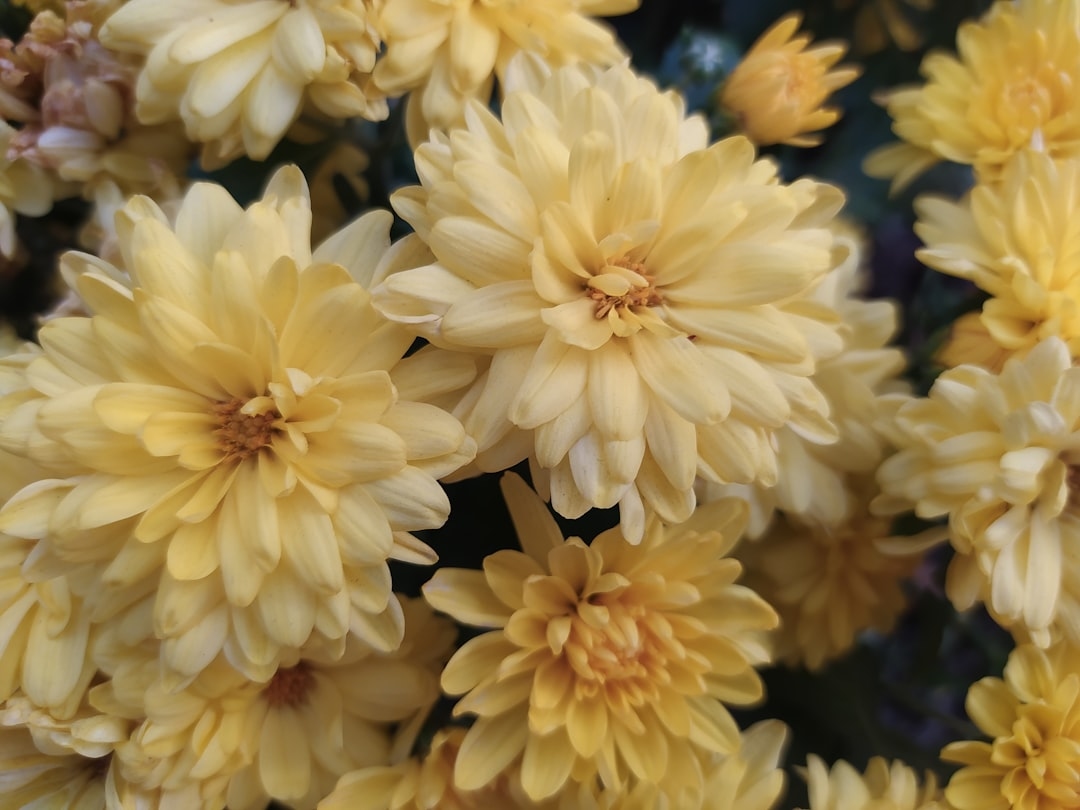
In bustling flower markets from Tokyo to Taipei, one bloom seems to pop up everywhere – the chrysanthemum. Its fans don’t just admire its pom-pom style or palette of golds, reds, and snowy whites. This flower carries centuries of meaning, winding through royal palaces, family memorials, and everyday tea rituals. The chrysanthemum isn’t just another pretty face: for much of Asia, it’s a symbol with layers of significance, some joyous, some somber, all deeply rooted in tradition.
Quick Answer: What Do Chrysanthemums Symbolize in Asian Cultures?
Chrysanthemums symbolize longevity, nobility, and rebirth in much of East Asia, especially China and Japan. In China, they’re associated with autumn, endurance, and the famous poet Tao Yuanming. In Japan, they’re a national symbol–representing the Imperial family, joy, and the “Festival of Happiness.” However, in parts of Southeast Asia and Korea, white chrysanthemums are linked to funerals and mourning. Their meaning shifts with color, context, and country.
A Flower with Royal Pedigree
Chrysanthemums and the Japanese Emperor
Walk through a Japanese passport or glance at the Imperial Seal, and you’ll spot a golden 16-petaled chrysanthemum. Since the 8th century, Japanese emperors have chosen this flower as their crest, leading to the nickname “Kiku no Gomon” or Chrysanthemum Throne for the monarchy. The annual “Chrysanthemum Day” (Kiku no Sekku) every September 9th celebrates the flower’s beauty and its connection to longevity – a tradition dating back over a thousand years.
Dr. Hana Yamada, a Tokyo-based floral historian, explains:
“Chrysanthemums signify perfection and rejuvenation in Japanese art and courtly life. Even today, you’ll see their subtle motif in everything from lacquerware to wedding kimono.”
In 2026, more than 60% of Tokyo’s upscale florists feature chrysanthemums as centerpieces in autumn-themed arrangements, according to the Japan Florist Association.
National Symbolism in China
For Chinese culture, the chrysanthemum is one of the “Four Gentlemen” in classic painting (alongside plum blossom, orchid, and bamboo). It stands for the virtue of resilience – blooming strong as all other flowers fade in late autumn.
Legendary poet Tao Yuanming (365-427 CE) was so fond of chrysanthemums that entire villages now claim him as their “chrysanthemum ancestor.” Chinese Mid-Autumn gatherings still feature chrysanthemum wine, a practice stretching back to the Song dynasty.
Life, Death, and Every Shade Between: Regional Meanings
Despite its royal and positive roots, the cultural meaning of chrysanthemums in Asia isn’t always celebratory.
| Country | Joy/Prosperity | Longevity | Mourning | Common Colors | Unique Tradition |
|---|---|---|---|---|---|
| China | ✓ | ✓ | ✓ (white) | Yellow, Red | Drinking chrysanthemum wine |
| Japan | ✓ | ✓ | ✓ (white) | Yellow, White | Chrysanthemum Festival (Kiku Matsuri) |
| Korea | ✓ | ✓ | ✓ | White | Funeral offerings |
| Vietnam | ✓ | ✓ | ✗ | Yellow | Tet New Year decorations |
Colors That Speak
- Yellow: In most Asian countries, yellow chrysanthemums call to mind joy, longevity, and celebration. That’s why you’ll see them at weddings, birthdays, and Lunar New Year displays.
- White: Often reserved for funerals in China, Japan, and Korea. White chrysanthemums at a grave mean respect for the dead, purity, and mourning.
- Red or Pink: Less common, but sometimes signals love or youthful vitality, especially in China.
Chrysanthemums at Life’s Milestones
- Birthdays & Longevity: In China and Japan, gifting chrysanthemum tea or arrangements to the elderly honors a wish for long life.
- Memorials: White chrysanthemums are the standard offering at Japanese and Korean gravesides, notably during Chuseok (Korean Thanksgiving) and Japan’s Bon Festival.
- New Year: In Vietnam, bright yellow chrysanthemums fill homes and markets for Tet (Lunar New Year), meant to bring luck and prosperity.
Cultural florist Mai Linh, owner of Saigon’s “Floral Link,” explains:
“We sell over 500 bouquets of yellow chrysanthemums every Tet. Customers believe the color brings familial blessings for the whole year.”
Chrysanthemums in Asian Art, Literature, and Everyday Life
Chrysanthemums do more than decorate–they tell stories and shape daily rituals.
Art and Poetry
Chinese ink paintings often depict wild chrysanthemums as a metaphor for integrity, blossoming after all others wither. Japanese haiku poets, from Matsuo Bashō to modern-day writers, use chrysanthemums as seasonal markers and symbols of fleeting beauty.
Food and Drink
Chrysanthemum petals aren’t just for show. In China, chrysanthemum tea (often under $15 for a premium tin at US Asian groceries in 2026) is sipped for its floral aroma and supposed cooling properties. Some Cantonese hot pots include fresh petals, believed to detoxify broth.
Festivals and Public Displays
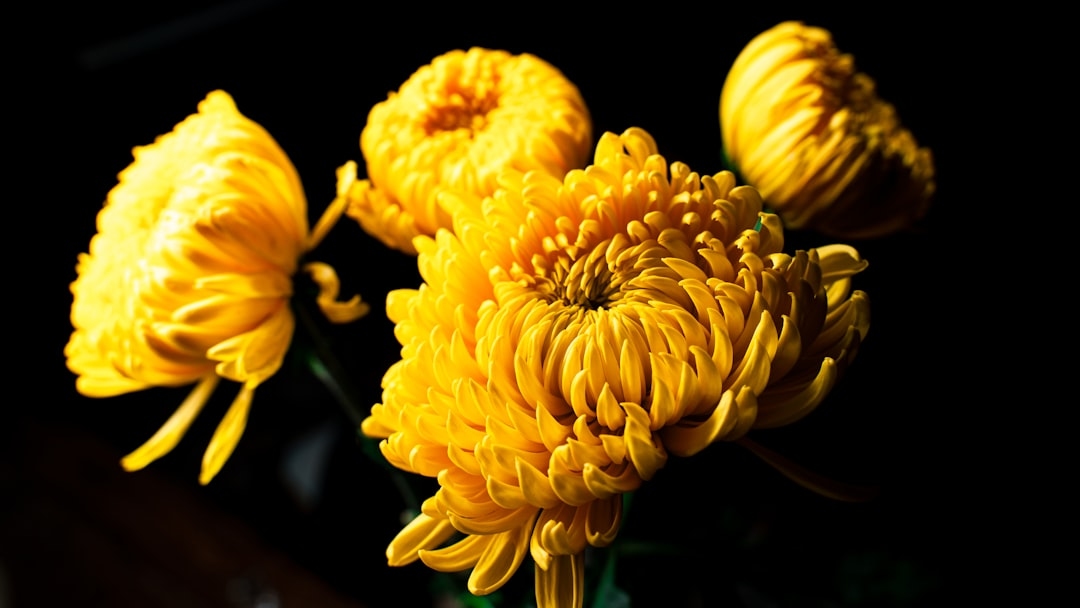
Every fall, “Kiku Matsuri” (Chrysanthemum Festival) transforms Tokyo’s Shinjuku Gyoen National Garden into a riot of color, with topiary chrysanthemums shaped into dolls and dragons. In Nanjing, China, parks host exhibitions of 200+ chrysanthemum varieties.
US Market Tip:
Chrysanthemum-themed events are showing up in American cities, too. New York Botanical Garden has featured “Chrysanthemum Spectaculars” since 2023, drawing over 30,000 visitors last year.
Sourcing Chrysanthemums: From Asian Markets to US Bouquets
Buying Chrysanthemums in the US
- Availability: Most US florists, including 1-800-Flowers and FTD, carry chrysanthemums year-round, starting from $40 per mixed bouquet in 2026.
- Varieties for Gifting: Spider mums, pompons, and cushion mums are all cultivars of chrysanthemum, with colors customized for celebrations or sympathy.
- Care Tips: Professor Lisa Martínez, horticulturist at Ohio State University, says, “Cut chrysanthemums last up to 14 days with clean water and a snip every other day.”
US Floristry Trends
According to the Society of American Florists’ 2026 annual report, chrysanthemums are among the top 5 most-sold flowers for sympathy arrangements and autumn décor in the US, partly due to their Asian symbolism.
Chrysanthemums vs. Other Asian Flowers: A Quick Comparison
| Flower | Main Symbolism | Cultural Region | Common Occasions | Price Range (US) |
|---|---|---|---|---|
| Chrysanthemum | Longevity, Honor | East Asia | Funerals, Festivals | $40-$80/bouquet |
| Orchid | Elegance, Purity | Asia-Pacific | Weddings, Gifts | $50-$120/arr. |
| Peony | Wealth, Romance | China, Japan | Spring Fests, Weddings | $60-$150/arr. |
| Lotus | Enlightenment | South/East Asia | Religious, Ceremonies | $30-$70/bouquet |
Chrysanthemum Care and Meaning: Frequently Asked Questions
What does gifting chrysanthemums mean in Asian cultures?
In most Asian cultures, gifting chrysanthemums signifies respect, well-wishing, and a desire for the recipient’s long life and happiness. However, in China, Japan, and Korea, white chrysanthemums are typically only given at funerals or gravesites.
Are chrysanthemums used at weddings in Asia?
Yes, especially yellow or red chrysanthemums, which symbolize happiness or celebration. Pure white chrysanthemums are generally avoided at weddings due to their association with mourning and death.
Why are chrysanthemums linked to funerals in some Asian countries?
Because white chrysanthemums represent purity and the cycle of life-and-death, they became the standard floral tribute at funerals–particularly in Buddhist-influenced cultures like Japan, Korea, and parts of China.
Can I use chrysanthemums in mixed bouquets for Asian friends in the US?
Yes, but be sensitive to color and context. Avoid all-white chrysanthemums unless you know the recipient’s preferences. Mixed or bright-colored mums are safe for birthdays or congratulations.
How did chrysanthemums get their reputation for longevity?
Chrysanthemums bloom late in the season, surviving after other flowers fade. Ancient Chinese herbalists even brewed them as an elixir for long life; the flower’s persistence inspired centuries of poetry and legend.
Bringing a Layered Symbol Home
Chrysanthemums may look simple, but their meanings run deep – especially for families across Asia and the Asian-American diaspora. Next time you pick up a bouquet (or scroll through your app to order one), consider choosing chrysanthemums for more than just their longevity in a vase. Try pairing yellow mums with a handwritten card for a birthday or brewing chrysanthemum tea for your next autumn gathering. A little cultural context makes the gesture bloom with new significance – and connects you, flower by flower, to a global tradition.




Add Comment