Contents:
- What’s the Secret to a Successful Rooftop Cutting Garden? (Featured Snippet)
- Why Choose a Rooftop For Your Cutting Garden?
- How to Assess Your Rooftop for Floriculture
- Weight & Structure
- Sun & Wind Exposure
- Access & Water
- Best Flowers for Rooftop Cutting Gardens in the US (2026 Edition)
- Designer Favorites
- Pro Tip
- Rooftop Cutting Garden Layout: Planning for Color, Height, and Access
- Container Layout
- Vertical Elements
- Access Paths
- Soil, Water, and Fertility: The Rooftop Difference
- Lightweight Soil Mix
- Irrigation Systems
- Fertilizing
- Year-Round Rooftop Floristry: From First Sprouts to Frost
- Early Spring (March-May)
- Summer Peak (June-August)
- Fall & Winter (September-February)
- Common Rooftop Cutting Garden Problems (And How to Solve Them)
- Pull-Quote
- FAQs: Rooftop Cutting Garden Design
- How deep do rooftop containers need to be for cut flowers?
- What are the best flowers for rooftop gardens in hot US cities?
- Can you grow perennials successfully on a rooftop?
- How do I safely water a rooftop cutting garden?
- Are rooftop cutting gardens expensive to start?
Rooftop Cutting Garden Design: The Ultimate 2026 Floristry Guide
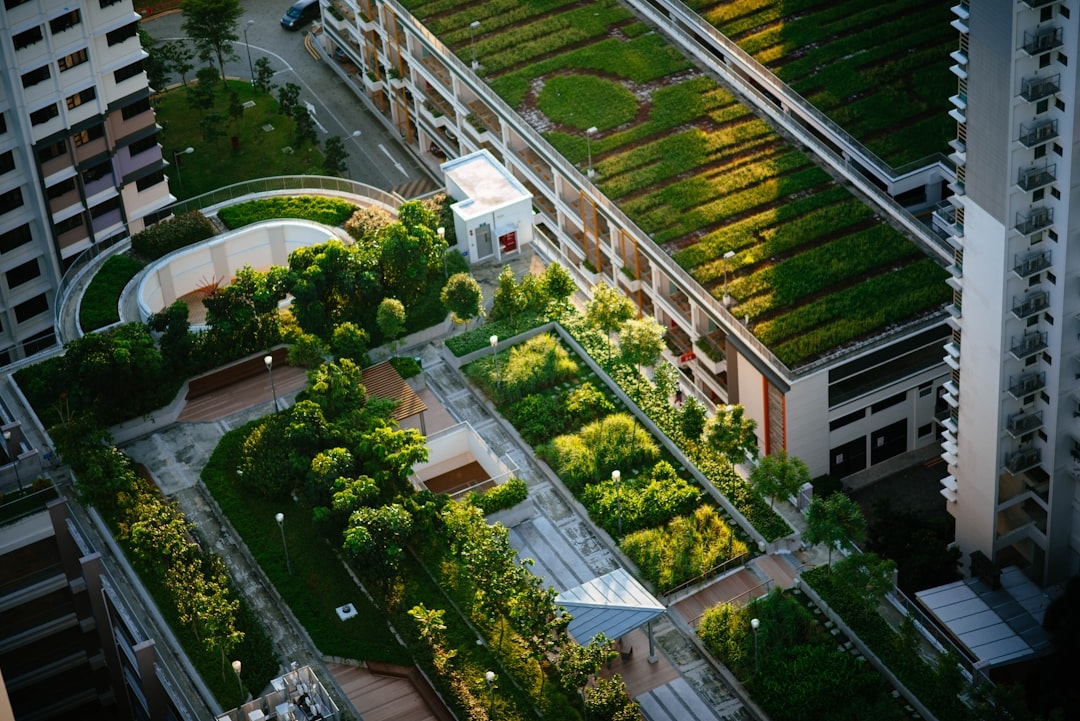
Picture this: You’re sipping coffee on your apartment’s rooftop, hummingbirds hover, and the summer air is filled with the scent of fresh zinnias, cosmos, and snapdragons–all grown just feet from your kitchen. Urban rooftops, once the realm of HVAC vents and pigeons, now support vibrant cutting gardens that transform concrete jungles into florists’ treasure troves. In 2026, the rooftop cutting garden isn’t just a fleeting Instagram trend–it’s a practical way to grow armfuls of blooms for arranging, gifting, or selling, even in the heart of a busy city.
What’s the Secret to a Successful Rooftop Cutting Garden? (Featured Snippet)
A thriving rooftop cutting garden depends on five essentials: sturdy containers (18-24 inches deep), lightweight commercial potting mix, drip irrigation, wind protection (like mesh screens or trellises), and a selection of annuals and perennials suited to your USDA zone. South- and west-facing rooftops in US cities like New York, Chicago, and Los Angeles can support up to 13-30 flower varieties in just 100 square feet, with harvests from April through frost.
Why Choose a Rooftop For Your Cutting Garden?
Not all rooftops are created equal. Here’s why the best flower growers are looking up:
- Space Maximization: In cities where a 5’ x 10’ plot is precious, rooftops often provide 200+ square feet of untapped growing room.
- Sunlight: Rooftops get 30-40% more direct sun than backyards blocked by buildings, according to Elisa Henley, horticulturist and owner of Brooklyn’s Wild Stem Studio.
- Air Flow: Elevated gardens naturally deter fungal diseases, which plague ground-level beds in humid zones.
- Pollinator Attraction: Bright roof plantings draw bees, butterflies, and even rare native wasps, boosting both flower quality and urban biodiversity.
“In 2025, nearly 15% of New York City’s community gardens operated rooftop flower beds–up from just 2% a decade prior.”
– NYC Office of Urban Agriculture, 2025 Survey
How to Assess Your Rooftop for Floriculture
Before ordering seed catalogs or plugging in grow lights, assess your rooftop for these factors:
Weight & Structure
City building codes (e.g., New York’s Building Code Title 27) generally permit 20-40 pounds per square foot of live load on residential roofs. A 24-inch-deep raised bed saturated with water and soil can weigh upward of 250 pounds per square yard.
Checklist:
- Consult your building superintendent or landlord.
- Ask a licensed structural engineer to approve heavy installations.
- Use lightweight composite containers or fabric grow bags (Root Pouch or Smart Pot).
Sun & Wind Exposure
Full sun (at least 6 hours) is ideal for most cut flowers, but exposure varies:
- North-facing: Consider shade-lovers like astilbe, ferns, or hosta flowers.
- South/west-facing: Sunflowers, zinnias, cosmos thrive.
- Wind can dehydrate plants; windbreaks (canvas, mesh, polycarbonate panels) reduce stem damage by up to 70% according to Dr. Steven Morse, UC Davis Urban Horticulture Lab.
Access & Water
- Rooftop hoses and drip irrigation systems (Rain Bird, Drip Depot) save hours each week.
- Rain barrels or water totes are useful where building water is restricted.
- Secure access is a must–no scrambling up fire escapes with flats of delphinium.
Best Flowers for Rooftop Cutting Gardens in the US (2026 Edition)
Not every flower loves the rooftop life. For urban US climates, prioritize these groupings:
| Flower | Type | Color Range | Key Benefit | Harvest Time |
|---|---|---|---|---|
| Zinnia | Annual | Red, pink, white | Heat/drought-tolerant | June-Oct |
| Cosmos | Annual | Pink, white, orange | Blooms in poor soils | June-Sept |
| Snapdragons | Annual | All except blue | Tall spikes, cold-hardy | May-Aug |
| Salvia | Perennial | Blue, purple | Attracts pollinators | May-Oct |
| Dahlias | Tender Perennial | All colors | Showy, rebloom with deadheading | July-Frost |
| Scabiosa (Pincushion) | Annual | Blue, pink, white | Long vase life | May-Sept |
| Rudbeckia | Perennial | Yellow, gold | Drought/heat tolerant | July-Sept |
Designer Favorites
- ‘Benary’s Giant’ zinnia (Johnny’s Selected Seeds) for huge, florist-ready blooms
- ‘Apricot Lemonade’ cosmos (rare, but trending in 2026 for wedding work)
- ‘Cafe au Lait’ dahlia: prized in US floral shops, $9.99/tuber average in 2026
Pro Tip
For continuous harvest, sow annuals every 3-4 weeks from March through July.
Rooftop Cutting Garden Layout: Planning for Color, Height, and Access
Good design isn’t just about squeezing in more plants. It’s about workflow, aesthetics, and plant health.
Container Layout
- Square Foot Gardening: Divide raised beds into 1×1 foot sections–each holds a cluster of similar stems.
- Row Planting: Better for tall, staking-dependent flowers (snapdragons, sunflowers).
- Companion Planting: Tuck in basil, dill, and calendula–these repel common pests like aphids and spider mites.
Vertical Elements
A rooftop garden’s wind and space challenges reward vertical thinking:
- Trellises: Essential for sweet peas, clematis, morning glory.
- Cattle panels or recycled metal mesh provide instant support.
- Obelisks anchor climbers and add structure.
Access Paths
Leave at least 18-24 inches between container runs for hauling soil, water, and harvesting buckets. On a 200-square-foot roof, that means two main paths plus perimeter access.
Soil, Water, and Fertility: The Rooftop Difference
Lightweight Soil Mix

For containers, use a mix of:
- 40% peat-free commercial potting mix (FoxFarm, Espoma)
- 30% coconut coir
- 20% perlite or rice hulls
- 10% well-aged compost
Avoid garden soil–too heavy for most rooftops and may harbor disease.
Irrigation Systems
Drip lines paired with smart timers (Orbit B-hyve, $59 in 2026) save up to 60% water compared to overhead watering (source: EPA WaterSense, 2025). Mulch with shredded straw or cocoa hulls to preserve moisture and keep root temperatures steady.
Fertilizing
Cut flowers are heavy feeders. Mix a slow-release granular fertilizer (Osmocote, Espoma Flower-tone) into soil at planting, supplement every 4-6 weeks with a liquid seaweed or fish emulsion.
Tip: Yellowed leaves and poor flowering usually signal underfeeding or overcrowding, not disease.
Year-Round Rooftop Floristry: From First Sprouts to Frost
Early Spring (March-May)
- Start hardy annuals from seed indoors: sweet peas, nigella, larkspur.
- Move out young plants after last frost (USDA Hardiness Map: NYC’s average last frost is April 8-15).
Summer Peak (June-August)
- Deadhead and harvest every other morning for continuous bloom.
- Stake tall plants before thunderstorms–wind damage is costly on roofs.
Fall & Winter (September-February)
- Transition to late dahlias, chrysanthemums, and salvias.
- Sow cover crops (clover, rye) or plant garlic for over-wintered greenery.
- Clean containers and check for repairs–winter winds are tough on infrastructure.
Common Rooftop Cutting Garden Problems (And How to Solve Them)
- Heat Stress: Install shade cloth during July-August heat waves; mist foliage in the morning.
- Windburn: Larger, waxy-leaved cultivars fare better in exposed conditions.
- Pests: Aphids and Japanese beetles can fly several stories up. Use insecticidal soap (Safer Brand) or companion plant with marigold and basil.
- Watering Issues: Soil dries quickly in containers. Monitor moisture daily in July-August.
Pull-Quote
“A 12×12 foot rooftop bed can yield over 600 marketable stems per season–more than enough for weekly bouquets for a family and a few sold to neighbors.”
– Sierra Klein, Owner/Designer, Bloom & Rail Urban Flowers, Chicago, IL
FAQs: Rooftop Cutting Garden Design
How deep do rooftop containers need to be for cut flowers?
For most cut flowers, containers should be at least 18-24 inches deep to allow adequate root growth and support for tall blooms. Shallow containers may stunt growth or require more frequent watering.
What are the best flowers for rooftop gardens in hot US cities?
Heat-tolerant annuals like zinnias, cosmos, marigolds, and sunflowers excel on rooftops in cities like Phoenix, Dallas, and Los Angeles. Drought-resistant perennials like salvia and rudbeckia are also reliable.
Can you grow perennials successfully on a rooftop?
Yes, hardy perennials like echinacea, yarrow, and rudbeckia thrive in rooftop gardens when grown in deep containers with good insulation. In colder climates, mulch heavily or move containers against shelter during winter.
How do I safely water a rooftop cutting garden?
Install drip irrigation with an automatic timer for the most consistent results. Where access to water is limited, use rain barrels with gravity-fed hoses. Always check for leaks to avoid water damage to the building.
Are rooftop cutting gardens expensive to start?
Initial costs depend on size and materials. Expect to spend $500-$2,000 for containers, soil, and irrigation for a 100-200 square foot installation in 2026. Many gardeners offset costs by selling bouquets or offering workshops through local services like Eventbrite or Thumbtack.
Ready to bring your rooftop to life? Plot out a plan, choose resilient blooms, and schedule your first planting day. Within a single season, your cityscape could transform from bleak to blooming–plus, nothing beats snipping your own homegrown stems for the vase. Start small, experiment with color and form, and join the growing movement of urban florists redefining what’s possible above the skyline.




Add Comment