Contents:
- What Is Ikenobo Ikebana? (Direct Answer)
- The Roots of Ikenobo: 550 Years of Floral History
- Ikenobo Ikebana Method: Structure, Symbolism, and Styles
- The Three Pillars: Shin, Soe, and Tai
- Main Styles: Rikka, Shoka, Free-Style
- Tools of the Trade
- Learning Ikenobo Ikebana in the United States
- Where to Start
- Certification and Further Study
- Ikenobo vs. Other Ikebana Schools: What Makes It Different?
- Ikenobo Ikebana in Modern American Floristry
- Ikebana-Inspired Trends
- Sourcing Ikenobo-Appropriate Flowers in the US
- Living With Ikenobo Ikebana: Meaning and Mindfulness
- FAQ: Ikenobo Ikebana
- What is the main difference between Ikenobo Ikebana and Western flower arranging?
- Can I learn Ikenobo Ikebana online in the United States?
- What is the average cost of starting Ikenobo Ikebana at home?
- Which flowers are used in traditional Ikenobo arrangements?
- Is Ikenobo Ikebana difficult to master?
Ikenobo Ikebana History and Method
A single branch, precisely trimmed, can say more than a vase stuffed with blooms. In Tokyo’s Imperial Hotel lobby, a centuries-old Ikenobo Ikebana arrangement stands quietly in a world of orchids and roses, offering a glimpse into the soul of Japanese floristry. More than art, Ikenobo Ikebana embodies a philosophy–a dialogue between nature, artist, and observer. For Americans interested in floral design or seeking a meditative, minimal approach to flowers, understanding Ikenobo Ikebana is a way to connect with both tradition and innovation.
What Is Ikenobo Ikebana? (Direct Answer)
Ikenobo Ikebana is the oldest and most influential school of Japanese flower arranging, founded in Kyoto in the 15th century. Known for its structured yet refined approach, Ikenobo emphasizes harmony among line, balance, color, and negative space. Arrangements typically use three main stems symbolizing heaven, earth, and humanity. Adherents practice specific methods and forms, making Ikenobo a living tradition, taught globally–including in the US through certified teachers and floral schools.
The Roots of Ikenobo: 550 Years of Floral History
Nearly 600 years ago, at Kyoto’s Rokkaku-dō Temple, Buddhist priests began arranging flowers as spiritual offerings. These early practitioners, called “Ikenobo,” laid the groundwork for what would become the world’s first documented school of floral art. By 1462, Master Senkei Ikenobo was recording formal methods–predating Western floristry by centuries.
A Timeline: Ikenobo Ikebana’s Milestones
- 1462: Senkei Ikenobo writes early guidelines
- 16th century: Rikka style formalized; Ikenobo becomes court favorite
- 1847: Introduction of Shoka style; more accessible to commoners
- 1960s: Ikenobo International spreads to the USA
- 2026: Over 1 million practitioners worldwide, including hundreds in North America (Ikenobo Society, 2026)
As US-based floral historian Linda Sugimoto, MFA, notes:
“Ikenobo’s methods are older than the Ming vase, and still more relevant to modern design than ever.”
The Ikenobo Headquarters in Kyoto remains the spiritual and educational home, but regional chapters exist in Los Angeles, New York, Chicago, and Houston, with classes often priced between $35-$75 per session (2026 prices, Ikenobo America).
Ikenobo Ikebana Method: Structure, Symbolism, and Styles
What sets Ikenobo Ikebana apart from Western floristry–or even other Japanese schools–is its rigorous attention to structure and symbolism. Every element has purpose.
The Three Pillars: Shin, Soe, and Tai
Traditional Ikenobo arrangements are built around three lines:
- Shin (“Heaven”) – The tallest, most upright stem
- Soe (“Man”) – The supporting, mid-length stem
- Tai (“Earth”) – The shortest, often bending outward
This triad creates a dynamic, asymmetrical triangle–never a perfect symmetry, always alive.
Quick List: Typical Materials Used
- Shin: Pine, willow, or strong branches
- Soe: Seasonal flowers like iris, chrysanthemum, or camellia
- Tai: Grasses, moss, or other ground-hugging greens
Main Styles: Rikka, Shoka, Free-Style
| Style | Era | Features | Typical Use |
|---|---|---|---|
| Rikka | 15th C. | 7-9 branches, grand | Ceremonial, hotel lobbies |
| Shoka | 19th C. | 3 main lines, simple | Home, altar, offices |
| Free-Style | 20th C.-present | Modern, expressive | Exhibitions, personal projects |
Rikka (standing flowers) uses up to nine stems and can reach 5 feet in height, often costing over $500 in premium materials for events in 2026. Shoka is more accessible–often one vase, three stems, and a meditation on the season.
Tools of the Trade
- Kenzan (spiky frog): Metal pin holder for stems, $10-$25 on Amazon or Afloral
- Hasami: Ikebana shears, $30-$100, widely available in Japanese markets across the US
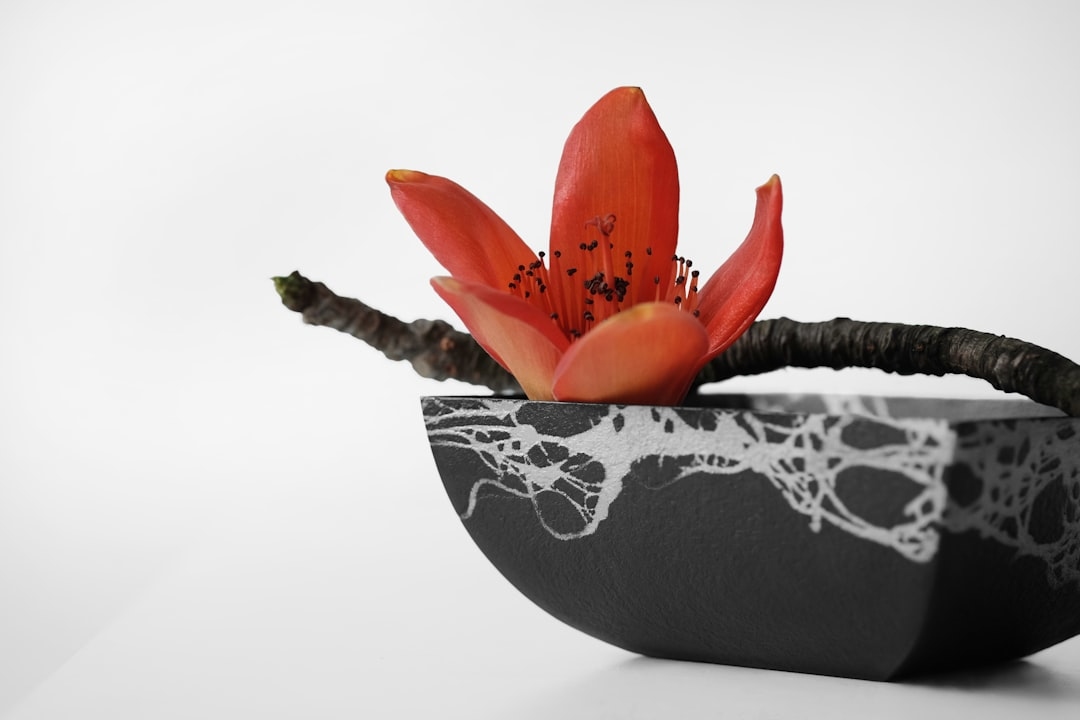
- Suiban: Flat, shallow container, used for minimalist arrangements
Learning Ikenobo Ikebana in the United States
From San Francisco’s Asian Art Museum to New York’s Japan Society, American interest in Ikebana has surged in the past decade. Online courses, local chapters, and even YouTube channels now offer beginner lessons.
Where to Start
- Ikenobo Ikebana Society of America: Hosts workshops in 12 states, membership from $70/year (ikenobo-ikebana.org)
- Flower School New York: Offers introductory Ikebana modules, $95 per class
- Los Angeles Ikenobo Chapter: Regular demonstrations at the Japanese American Cultural & Community Center
Certification and Further Study
Ikenobo is the only school offering globally recognised certifications–Shoden, Chuden, and Sandan–to US students. According to Dallas-based Sensei Patricia Owens, “You can earn your first certificate in six months of weekly lessons. Every arrangement submitted is personally reviewed by an Ikenobo master in Kyoto.”
Ikenobo vs. Other Ikebana Schools: What Makes It Different?
While Sogetsu and Ohara are familiar names in the US, the Ikenobo school’s history and technique make it distinct.
| School | Philosophy | Common Materials | Arrangement Structure | Flexibility |
|---|---|---|---|---|
| Ikenobo | Discipline, tradition | Seasonal branches, pine, iris | Fixed forms (Rikka, Shoka), symbolic | Moderate |
| Sogetsu | Creativity, modernity | Any material (inc. plastic) | Any container, any direction | High |
| Ohara | Natural landscape mimicry | Native plants, wide displays | Moribana (wide, low trays) | Medium |
Pull-Quote:
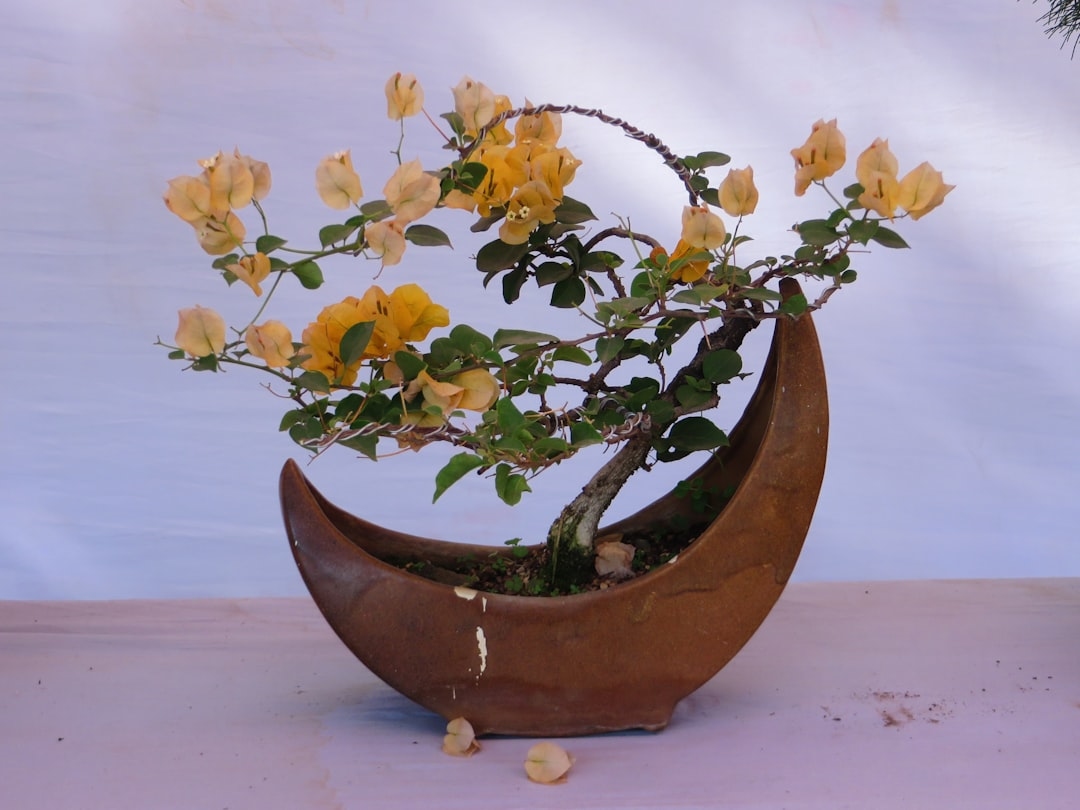
“The difference is in the discipline. Ikenobo isn’t about arranging flowers, but about arranging space itself.” – Judith Tanaka, Certified Ikenobo Sensei, Seattle
Ikenobo Ikebana in Modern American Floristry
US florists are increasingly inspired by Ikebana’s focus on negative space and seasonality. According to data from the Society of American Florists (2026), 18% of high-end flower boutiques now offer Japanese-style arrangements, up from just 7% in 2020.
Ikebana-Inspired Trends
- Minimalist bouquets: Single-branch or mono-color palettes are in demand in major cities.
- Mindful arranging: “Slow floristry” workshops use Ikebana as a meditative practice.
- Sustainability: Ikenobo’s seasonal, local-materials ethos resonates with eco-conscious US consumers.
Sourcing Ikenobo-Appropriate Flowers in the US
Because traditional Ikenobo uses native Japanese plants, American practitioners adapt using:
- California-grown iris, camellia, and pine (for Shin)
- Local grasses and moss from specialty nurseries
- Online suppliers: UrbanStems, The Bouqs Co., FiftyFlowers–all have “Japanese-style” bouquets, from $75-$200
Living With Ikenobo Ikebana: Meaning and Mindfulness
For many Americans, Ikenobo Ikebana is less about floristry and more about living with intention. Arrangements are changed seasonally or weekly, reflecting nature’s impermanence (wabi-sabi) and the arranger’s mood.
A Houston medical therapist, Dr. Anne Li, PhD, notes that “Practicing Ikenobo Ikebana for even 15 minutes reduces stress markers. It’s part artistry, part meditation.”
Try This: A Simple Ikenobo Practice
- Gather three stems–one tall branch, one flower, one piece of moss
- Use a wide, shallow bowl and a kenzan
- Place each stem with purpose, pausing to notice the shape and line
- Adjust until the triangle feels alive–never forced
A single arrangement transforms a coffee table or office. You’ll notice visitors are drawn to its calm.
FAQ: Ikenobo Ikebana
What is the main difference between Ikenobo Ikebana and Western flower arranging?
Ikenobo Ikebana emphasizes line, space, and symbolism, constructing arrangements with a philosophical meaning. Western floristry often prioritizes color, fullness, and symmetry.
Can I learn Ikenobo Ikebana online in the United States?
Yes, there are certified Ikenobo teachers offering virtual lessons, and US-based chapters host both in-person and online beginner programs.
What is the average cost of starting Ikenobo Ikebana at home?
Most beginners can start with a set of shears ($30-$50), a kenzan ($10-$25), and a suiban ($20-$60). Weekly flowers are typically $10-$30 at local US markets.
Which flowers are used in traditional Ikenobo arrangements?
Classic choices include pine, willow, iris, chrysanthemum, camellia, and seasonal grasses. In the US, local substitutes are encouraged if authentic Japanese species aren’t available.
Is Ikenobo Ikebana difficult to master?
It is easy to begin and rewarding for all skill levels, but mastery takes years. Certification programs structure progress, making it accessible for dedicated hobbyists and professionals alike.
Ready to create your own arrangement?
Find a branch, a flower, and a shallow bowl–let nature guide your hands. Or, connect with an Ikenobo Society chapter near you and discover how centuries-old techniques can refresh your home or creative practice. The next time you pass a florist or a modest garden, look with the eye of an Ikenobo practitioner: see the potential in every stem, every space.




Add Comment