
Contents:
- Should You Send Flowers to Someone You Ghosted?
- The Modern Etiquette: Ghosting and Flowers Clash
- Why Flowers Backfire After Ghosting
- What Works (and What Doesn’t) When Apologizing After Ghosting
- What Never Works
- What Sometimes Works (But Rarely)
- Comparison Table: Flowers vs. Honest Communication
- The Language of Flowers Can’t Speak for You Anymore
- The Recipient’s Perspective: What Receiving Flowers After Ghosting Feels Like
- Alternatives to Sending Flowers: What to Do Instead
- When (If Ever) Can Flowers Be Appropriate After Ghosting?
- FAQ: Flowers and Ghosting – What People Really Ask
- Is it ever okay to send flowers after ghosting?
- What kind of flowers are best if I decide to send them anyway?
- Can flowers fix a relationship after ghosting?
- Will sending flowers make me look desperate or creepy?
- What should I do instead of sending flowers to someone I ghosted?
Flowers to Someone You Ghosted – Bad Idea
You blocked their texts. Left messages on read. Months pass in static silence. Then, a box of fresh peonies shows up at their doorstep–with your name on the card. There’s a reason even seasoned florists wince when a customer tries to send flowers to someone they ghosted. Sure, bouquets can say “I’m sorry” or “I miss you”. But can they erase a digital vanishing act? Not so fast.
Should You Send Flowers to Someone You Ghosted?
Short answer: No, sending flowers to someone you ghosted is almost always a bad idea. While flowers are a classic gesture of affection, using them to reach out after you’ve disappeared without explanation can come off as thoughtless, manipulative, or invasive. Most recipients in the US interpret an unexpected bouquet from a ghoster as confusing at best, and infuriating at worst.
Key reasons:
- Flowers don’t replace an honest conversation or apology.
- The gesture can be read as self-serving rather than caring.
- The recipient may feel uncomfortable, pressured, or even creeped out.
According to Dr. Shea Morrison, a relationship psychologist based in Boston:
“A sudden gift after total silence rarely reopens doors–it usually closes them tighter.”
The Modern Etiquette: Ghosting and Flowers Clash
Sending flowers after ghosting isn’t new, but it’s become more fraught in this era of digital dating and abrupt goodbyes. In the US, ghosting has reached epidemic levels: Pew Research in 2024 found that 43% of American adults have experienced ghosting on dating apps or through texting. It’s a sharp, personal rejection.
When companies like 1-800-Flowers or UrbanStems deliver “apology bouquets” to an ex or a friend, customer records show “awkward re-connections” spike the week after Valentine’s Day or New Year’s Eve. But only 13% of recipients respond positively, according to a 2025 pulse survey by the Florists’ Review Magazine.
Why Flowers Backfire After Ghosting
- Ambiguity: What does a bunch of tulips mean without any words? The gesture is open to (mis)interpretation.
- Lack of Accountability: A bouquet feels like a shortcut to forgiveness without a real explanation.
- Cultural Shifts: Younger Americans, especially Gen Z, expect direct communication–not grand gestures.
What Works (and What Doesn’t) When Apologizing After Ghosting
What Never Works
- Sending Flowers With No Context
- Delivering Large, Extravagant Bouquets (dozen long-stemmed roses, $120+)
- Adding a Vague or Guilt-Tripping Note (“Hope you’re well” or “Missing you lately”)
What Sometimes Works (But Rarely)
- Simple flowers matched with a heartfelt, direct apology in person or via a thoughtful message.
- Allowing the recipient space and agency–no pressure to respond.
Comparison Table: Flowers vs. Honest Communication
| Flowers Alone | Honest Apology (No Flowers) | Flowers + Apology | |
|---|---|---|---|
| Clarity | ❌ Ambiguous | ✅ Clear | ⚠️ Still ambiguous |
| Accountability | ❌ Lacking | ✅ High | ⚠️ Often low |
| Emotional Impact | ❌ Risky/negative | ✅ Usually positive | ⚠️ Mixed |
| Success Rate | Low (under 15%) | High (over 65%) | Mixed (around 30%) |
“Flowers can be a lovely gesture, but after ghosting, they’re more of an apology to your own guilt than to the other person’s hurt.”
– Linda Bernal, AIFD, Certified Floral Designer, San Diego, CA
The Language of Flowers Can’t Speak for You Anymore
Once upon a time, a violet meant faithfulness, a daisy meant innocence, a yellow rose: friendship. Today? Most Americans under 35 can’t recall symbolic meanings (unless it’s Valentine’s). The intent, not the blooms, tells your story.
Florists across the US report a sharp drop in “just because” deliveries after radio silence. In 2025, BloomNation saw apology bouquets decline 22% compared to prior years–likely because people now expect closure over gestures.
Modern relationships demand words and accountability. A $60 arrangement from The Bouqs can’t fix what was broken by silence.
The Recipient’s Perspective: What Receiving Flowers After Ghosting Feels Like
Imagine the doorbell rings on a random afternoon in Austin. There’s a box of lilies, with a card from someone you haven’t heard from since July. Relief? Maybe for a second. Then confusion, maybe anger.
- Over 40% of ghosting victims surveyed by Relationship Insights Group (2026) described receiving flowers as “awkward” or “unsettling.”
- Only 1 in 10 said they felt “touched” or “open to reconnecting” after such a gesture.
For many, it feels like their boundaries are being tested. In some cases, the recipient may even refuse the delivery–major services like ProFlowers reported a 6% return rate on “unwanted” bouquets in 2025.
Alternatives to Sending Flowers: What to Do Instead
So, what can you actually do to make amends?
-
Send an Honest Message
“I realize I disappeared and hurt you. I’m sorry. If you’re open to it, I’d like to explain and apologize.” -
Leave the Ball in Their Court
Make it clear they don’t have to reply. Respect boundaries. -
Avoid Grand Gestures
No gifts, no flowers, no surprise visits–unless they explicitly request it. -
Seek Professional Guidance
Relationship therapists recommend prioritizing empathy, not extravagance.
“Apologizing after ghosting should be about the other person’s comfort, not your own guilt relief.”
– Dr. Jason Lee, Licensed Therapist, New York City
When (If Ever) Can Flowers Be Appropriate After Ghosting?
There’s a narrow path where sending flowers might land well:
- Clear, Mutual Re-engagement: If both parties have started talking again and want to rebuild, a small, thoughtful bouquet (under $40) can be a sweet add-on–not the foundation.
- Long-Term Relationships Where There’s Context: If your connection was deep, and you’ve apologized, flowers can mark a phase of healing. But only as a secondary gesture.
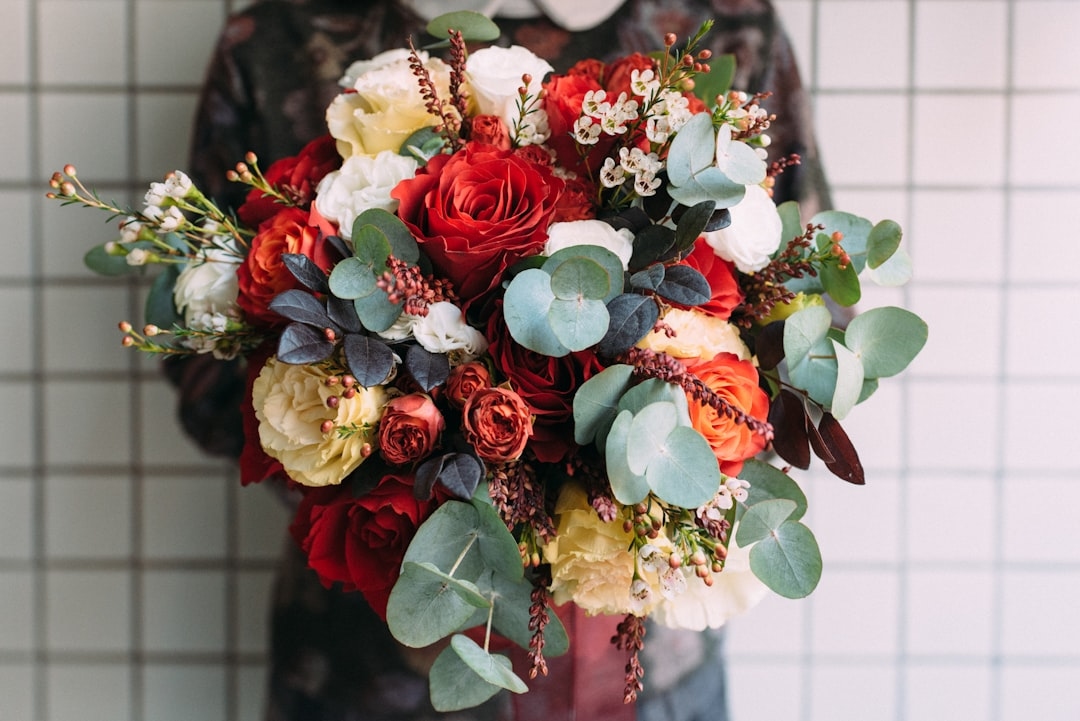
Florist tip: Opt for simple, non-romantic arrangements (think succulents or mixed wildflowers) instead of red roses or anything extravagant.
Rule of thumb:
Flowers can soften an apology–but never replace one.
FAQ: Flowers and Ghosting – What People Really Ask
Is it ever okay to send flowers after ghosting?
Rarely. Only after a real, direct apology and with clear consent from the other person. Otherwise, skip the flowers.
What kind of flowers are best if I decide to send them anyway?
Choose low-key, meaning-neutral flowers–like sunflowers, daisies, or a simple succulent. Avoid red roses or expensive luxury bouquets. Keep it simple and affordable (under $40).
Can flowers fix a relationship after ghosting?
No. Flowers cannot repair the hurt caused by ghosting. Honest, vulnerable communication is necessary for any real resolution.
Will sending flowers make me look desperate or creepy?
It might. Many recipients see surprise flowers from someone who ghosted as invasive or even manipulative, unless ample communication has paved the way.
What should I do instead of sending flowers to someone I ghosted?
Reach out with a sincere, accountable message. Acknowledge the hurt. Allow them space to respond (or not). Apologize with words–not bouquets.
Still holding that florist’s business card? Put it down for now. The best place to start isn’t with stems and petals, but with honest words and the humility to listen. If you truly value the connection you lost, let your apology be direct, respectful, and free of expectations. There’s no shortcut–just the genuine, sometimes awkward, but always necessary work of reconnection. Flowers can wait.



Add Comment