Contents:
- Which Flowers Won’t Trigger Fragrance Sensitivity? (Quick Guide)
- Why Do Some Flowers Trigger Fragrance Sensitivity?
- Best Scentless Flower Choices for Sensitive Noses
- Tulips
- Gerbera Daisies
- Phalaenopsis Orchids (Moth Orchids)
- Hydrangeas
- Ranunculus
- Sunflowers
- Alstroemeria
- What to Avoid: Flowers and Fillers That Trigger Reactions
- Scentless Flowers vs. Hypoallergenic Flowers: Is There a Difference?
- Where to Buy Fragrance-Free Bouquets in the US
- Creating Scent-Free Flower Arrangements at Home
- What About Scent-Free Artificial Flowers?
- Frequently Asked Questions
- Which flowers are best for people with migraine triggered by scents?
- Are roses safe for those sensitive to fragrance?
- Can you ask a florist for a truly fragrance-free bouquet?
- What greenery can I use if I’m sensitive to floral fragrance?
- Do artificial flowers ever have a scent?
Flowers That Won’t Trigger Fragrance Sensitivity
A dinner party with a glorious centerpiece. A hospital room with a cheerful bouquet. But for millions of Americans, the connection between flowers and joy gets tangled in a single sneeze–or worse, a full-on headache. According to the American Academy of Allergy, Asthma & Immunology, around 30% of US adults report fragrance sensitivities. The right blooms make all the difference, and there’s more to it than “just skip lilies.”
Let’s cut through the confusion: you can absolutely enjoy beautiful, fresh-cut flowers (or send a thoughtful delivery) without worrying about overpowering scents. Here’s how.
Which Flowers Won’t Trigger Fragrance Sensitivity? (Quick Guide)
Looking for a bouquet that’s gentle on the nose? Choose these famously scent-free or nearly scentless flowers:
- Tulips
- Gerbera daisies
- Ranunculus
- Orchids (Phalaenopsis/Moth variety)
- Hydrangeas
- Calla lilies
- Sunflowers
- Alstroemeria (Peruvian lily, not a true lily!)
Pro tip: Always avoid true lilies, stock, freesia, jasmine, and gardenias when shopping for fragrance-sensitive folks.
| Flower Name | Fragrance Strength | Color Range | Common Vase Life (days) |
|---|---|---|---|
| Tulip | None | Nearly all colors | 5-7 |
| Gerbera Daisy | None | Bright pastels | 7-10 |
| Orchid (Phalaenopsis) | Very faint | White, pink, purple | 14-21 |
| Hydrangea | None | Blue, pink, white | 5-9 |
| Ranunculus | None | Creams, pinks, reds | 7-10 |
| Sunflower | None | Yellow, orange, red | 7-14 |
| Alstroemeria | None | White, pink, orange | 14-21 |
Why Do Some Flowers Trigger Fragrance Sensitivity?
Dr. Marissa Kendall, a board-certified allergist in Seattle, explains, “It’s not pollen alone that bothers fragrance-sensitive people–volatile organic compounds (VOCs) released by strongly scented flowers are the main culprit.” Flowers rely on fragrance to attract pollinators, but some have been bred for looks, not scent.
In the US, flowers like lilies, oriental stock, peonies, and freesias pack a powerful perfume that can set off headaches, migraines, sinus irritation, and even asthma. For those highly sensitive, even a faint background scent can trigger discomfort. That’s why flower selection matters–especially for hospitals, offices, and public spaces.
Best Scentless Flower Choices for Sensitive Noses
1. Tulips
Classic, elegant, absolutely scentless. Tulips are a spring favorite, easy to find from March to May across the US (Whole Foods, Trader Joe’s, and online at The Bouqs Co. or 1-800-Flowers). With their smooth stems and endless color options, they blend beautifully in mixed arrangements.
Average retail price in 2026: $25-$45/dozen, depending on location and season.
2. Gerbera Daisies
The ultimate pick-me-up flower, gerberas bring cheerful energy without a trace of perfume. Their large, bold blooms make them popular for modern arrangements and get well soon bouquets. Some US florists, like UrbanStems, report over 15% of their hospital orders feature gerberas for this reason.
3. Phalaenopsis Orchids (Moth Orchids)
Nearly all orchids are mild, but the Phalaenopsis (pronounced “fa-luh-NOP-sis”) is the clear winner for zero scent. Their long vase life (up to three weeks cut, months as a potted plant) makes them a favorite for offices and homes alike. These are the “starter” orchids at most US nurseries and box stores like Lowe’s and Home Depot.
4. Hydrangeas
Hydrangeas are statement-makers–lush, full, and scentless. They add texture and volume to bouquets, with colors ranging from blue and purple to pink and white. For best longevity, US floral designer Jada Kim (Certified AIFD, NYC) recommends dipping the cut stems in hot water before arranging to minimize wilting.
5. Ranunculus
For lovers of peony-like blooms but without the massive scent, ranunculus is a revelation. Their layers of silky petals come in pinks, oranges, and creams. While more seasonal (mostly spring), ranunculus is increasingly available through premium florists and flower subscriptions such as Farmgirl Flowers.
6. Sunflowers
Bold and happy, sunflowers are naturally unscented and widely available from late spring to fall across the States. Great for rustic or casual settings, they’re sturdy enough for outdoor events–plus, kids love them.
7. Alstroemeria
Alstroemeria, often called the Peruvian lily, is in fact unrelated to fragrance-heavy lilies. These flowers offer spotted, bright petals without a whiff of scent. Their long vase life (often over two weeks) makes them a go-to for busy households and reception desks.
What to Avoid: Flowers and Fillers That Trigger Reactions
Not all “pretty” flowers are safe for sensitive noses. Here are the main offenders and what to ask florists to swap out:
- Lilies (Asiatic, Stargazer, Casa Blanca): Super potent, often banished from hospital settings.
- Freesia: Despite their delicate look, their perfume can fill a room.
- Stock: Strong, spicy clove scent.
- Hyacinth and Gardenia: Heady, sweet aromas.
- Peonies: Some varieties are mild, but most carry a noticeable scent.
- Jasmine and Tuberose: Intoxicating at close range.
- Eucalyptus & Waxflower (as fillers): Oils are a trigger for migraineurs.
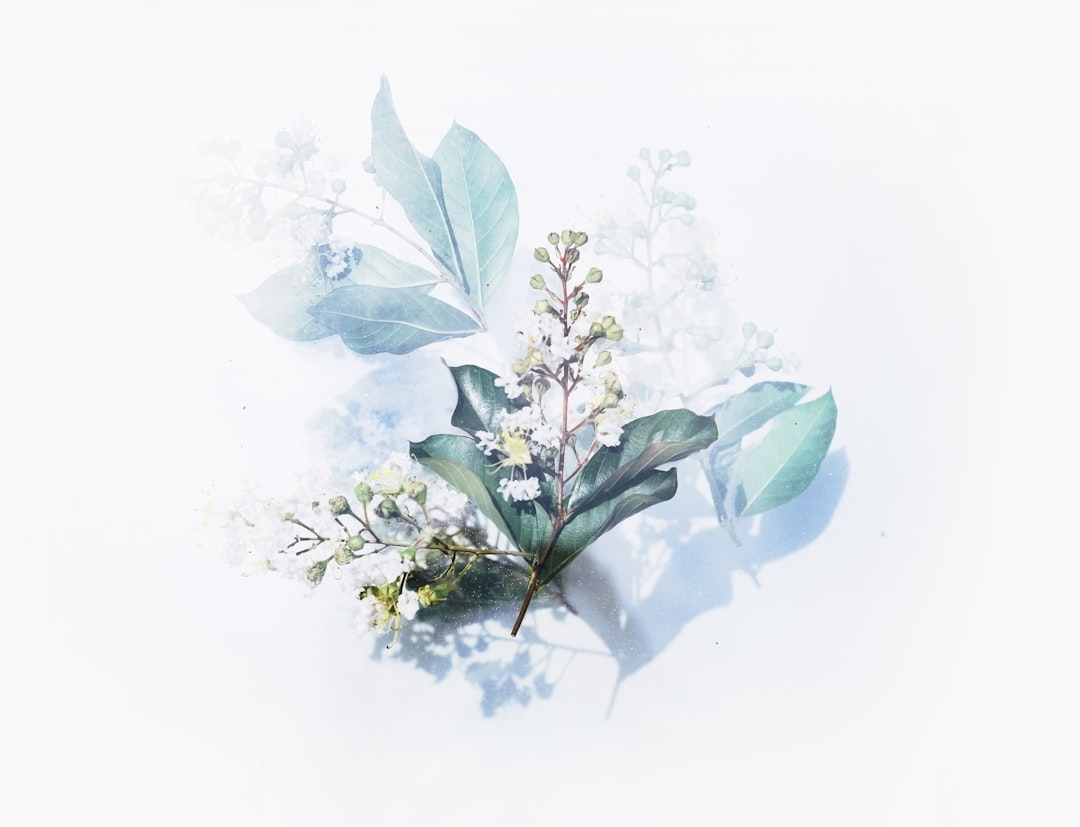
“Even greenery isn’t always neutral,” warns florist Robert Tran, owner of Sunlight Stems in San Francisco. “Hoja Santa, eucalyptus, and some myrtles are fragrant–ask your florist to use safer options like ruscus or pittosporum instead.”
Scentless Flowers vs. Hypoallergenic Flowers: Is There a Difference?
Absolutely. Here’s a quick breakdown:
| Scentless Flowers | Hypoallergenic Flowers | |
|---|---|---|
| Definition | No/very faint fragrance | Low pollen, low allergy risk |
| Example | Tulips, orchids, gerberas | Roses, carnations, snapdragons |
| Who benefits | Fragrance-sensitive people | Hay fever/allergy sufferers |
Some hypoallergenic flowers (like roses) may still have a strong scent, so double check if you need scentless and low-allergen options. Always mention fragrance sensitivity when ordering–experienced florists will understand the distinction.
Where to Buy Fragrance-Free Bouquets in the US
- UrbanStems: Their “Scent-Free” collection is updated every season, and they filter out all fragrance-heavy blooms automatically.
- Bouqs: Use their search filter for “fragrance free” or call customer service to request custom, low-scent arrangements.
- Local US Florists: Always specify “for fragrance sensitivity” and list flowers from the safe list above. Most reputable shops will accommodate or suggest alternatives.
Expect to pay $45-$100 for a standard size, professionally arranged and delivered bouquet in 2026. DIY market bunches (Trader Joe’s, Whole Foods) can run $12-$30, but you’ll need your own vase and a bit of design flair.
Creating Scent-Free Flower Arrangements at Home
Designing your own centerpiece? Use these tips:
- Stick to the safe list. Mix tulips, hydrangeas, alstroemeria, gerberas, and ranunculus.
- Use unscented greenery. Ask for pittosporum, ruscus, or aspidistra.
- Avoid florist foam. Sometimes it’s treated with chemicals with lingering odors–opt for a clean glass vase.
- Keep it fresh. Change water daily. Wilted flowers (even unscented) can develop a musty smell.
“Just because someone is scent-sensitive doesn’t mean they can’t have gorgeous flowers,” shares Jada Kim, AIFD. “It’s all about knowing your stems.”
What About Scent-Free Artificial Flowers?
In 2026, realistic silk and faux flowers are miles beyond last decade’s dusty fakes. Pottery Barn, Target, Afloral, and Nearly Natural offer lifelike arrangements that are 100% fragrance-free and require zero care. For allergy sufferers or highly sensitive environments–schools, medical offices, bedrooms–they’re a smart pick.
Costs range from $15 for a single faux stem to $140+ for a premium arrangement.
Frequently Asked Questions
Which flowers are best for people with migraine triggered by scents?
Tulips, Gerbera daisies, Phalaenopsis orchids, and hydrangeas are among the top choices for anyone suffering from migraines due to fragrance. These flowers are widely available, visually stunning, and naturally unscented.
Are roses safe for those sensitive to fragrance?
Standard store-bought roses have a faint to moderate scent. For most with mild fragrance sensitivity, they are tolerable, but heavily scented garden or “old-fashioned” roses are best avoided. Always specify “standard, low-scent roses” when ordering.
Can you ask a florist for a truly fragrance-free bouquet?
Yes. In the US, most professional florists are familiar with scent-free requests. Provide a list of preferred safe flowers and ask for “no lilies, stock, freesia, or fragrant fillers.” For extra caution, repeat your fragrance concerns when placing the order.
What greenery can I use if I’m sensitive to floral fragrance?
Stick with unscented options like ruscus, pittosporum, aspidistra, or even basic fern. Avoid eucalyptus, rosemary, myrtle, and mint, which all release strong natural oils.
Do artificial flowers ever have a scent?
Some mass-produced artificial flowers are treated with fragrances or stabilizing chemicals. When shopping, choose brands that advertise “unscented” or “fragrance-free,” and air out new arrangements for a few hours before using indoors.
Thinking of bringing flowers to a hospital, school, or someone with fragrance sensitivities? Print or bookmark this safe-flower list, and share it with your local florist. With the right choices, everyone–no matter their sensitivities–can enjoy the uplifting power of flowers. Try arranging a scentless bouquet at home, or surprise a loved one with a gorgeous, worry-free delivery. The world of beautiful, fragrance-free floristry is bigger than you think.



Add Comment