Contents:
- What Flowers Are Safe for People with Asthma? (Quick Answer)
- Why Some Flowers Trigger Asthma–and Others Don’t
- Low-Pollen Flowers: The Asthma-Friendly All-Stars
- Roses: Classic, Versatile, and Safe
- Orchids: Exotic and Hypoallergenic
- Tulips and Daffodils: Springtime’s Gentle Companions
- Peonies and Carnations: Old-Fashioned and Asthma-Safe
- Other Reliable Picks
- Flowers to Avoid If You Have Asthma
- High-Pollen, High-Risk Flowers
- Scented Trouble
- Shopping for Asthma-Safe Flower Arrangements
- Ask for Low-Pollen or Insect-Pollinated Options
- Request Unscented or Lightly Scented Varieties
- Go Artificial or Dried (With Care)
- Caring for Flowers to Reduce Asthma Risk
- Allergy-Friendly Floristry for Special Occasions
- Weddings and Events
- Funerals and Sympathy Flowers
- Workspaces and Public Venues
- FAQ
- What flowers are least likely to trigger asthma attacks?
- Are lilies safe for people with asthma?
- Can artificial flowers cause asthma attacks?
- How do I recognize asthma-friendly flowers when shopping?
- Is it safe to have flowers in the bedroom for someone with asthma?
- Looking Ahead: Breathing Easier–and Brighter
Flowers That Won’t Trigger Asthma Attacks
Picture walking into a sunlit living room, the air scented with fresh blooms–no sneezing, wheezing, or itchy eyes. For millions of Americans with asthma, this feels like a fantasy. Roughly 25 million people in the US live with asthma (per CDC, 2024), and many avoid flowers at all costs. Here’s the twist: not all blooms are created equal. Some flowers are naturally low-pollen and unlikely to trigger asthma attacks. You can still fill your home with color and scent–without the respiratory drama.
What Flowers Are Safe for People with Asthma? (Quick Answer)
Many flowers are asthma-friendly because they’re low-pollen or their pollen is too heavy to become airborne. Top choices include:
- Roses (most varieties)
- Orchids
- Tulips
- Peonies
- Daffodils
- Iris
- Carnations
These flowers tend to have tightly packed petals or sticky, heavy pollen that’s less likely to float in the air. When buying bouquets or arrangements in the US, look for these options for a lower risk of triggering asthma symptoms.
Why Some Flowers Trigger Asthma–and Others Don’t
Allergy and asthma triggers often come down to pollen. But not all pollen is created equal. Some plants (like ragweed or birch trees) scatter clouds of fine, dry pollen–perfect for wind pollination and, unfortunately, for inflaming your airways. Others, including most showy cut flowers, have evolved pollen that’s sticky and heavy, designed for insect pollinators, not the breeze.
Dr. Linda Guevara, certified asthma educator and founder of Allergy-Friendly Florals in Houston, puts it simply:
“If you can see the pollen dusting your car in spring–avoid those blooms indoors. But if the flowers are pollinated by bees rather than the wind, you’re usually safe.”
Low-Pollen Flowers: The Asthma-Friendly All-Stars
Not all blooms earn their spot in asthma-friendly arrangements. Here’s what sets the best apart–and why they belong in your home:
Roses: Classic, Versatile, and Safe
Roses aren’t just romantic; they’re practical for people with asthma. Their pollen is sticky and stays inside the flower unless you ruffle it. Traditional hybrid tea roses (the kind you see at supermarkets or from delivery services like 1-800-Flowers) are especially low-pollen. Garden roses can produce more, but not enough to usually cause issues.
Pro Tip:
White or red roses typically have even less fragrance and pollen than yellow or wild types.
Orchids: Exotic and Hypoallergenic
Orchids are prized for their sculptural beauty. Most popular species, like Phalaenopsis and Dendrobium, release almost no pollen into the air. That’s why you’ll see them on office desks and in hospitals.
Fun Fact:
The American Orchid Society reported in 2025 that over 90% of orchids used for floristry in the US are bred specifically for pollen reduction.
Tulips and Daffodils: Springtime’s Gentle Companions
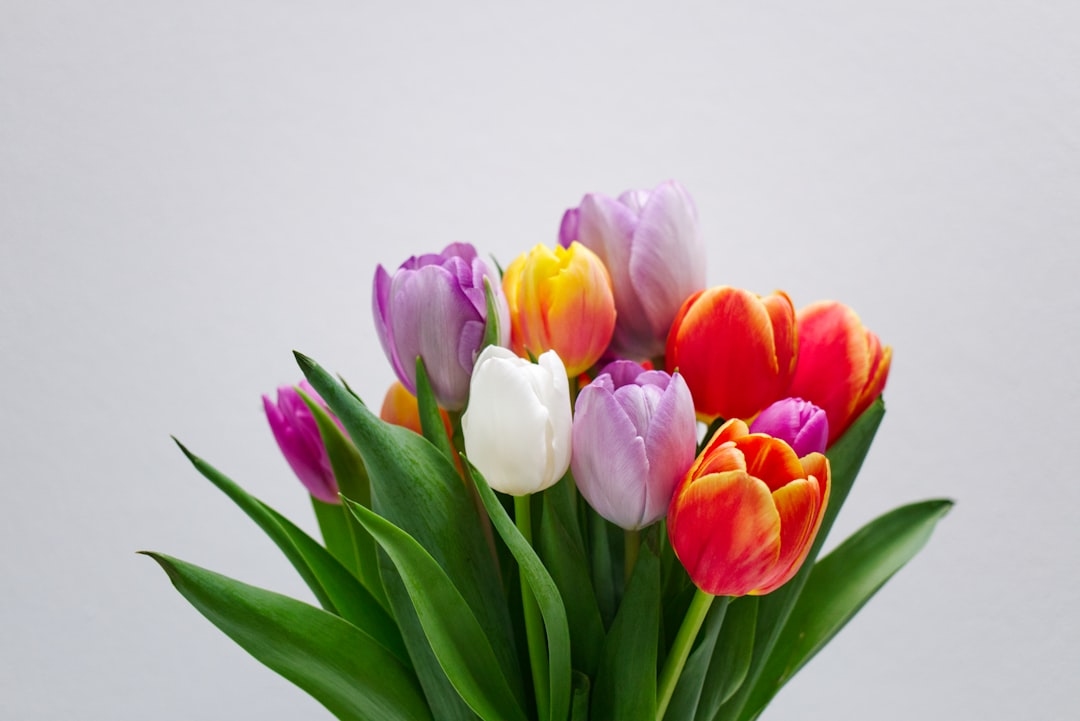
Both tulips and daffodils are pollinated by insects, not wind. Their pollen tends to stay locked in unless the flower is damaged. Tulips, especially closed buds or Parrot varieties, are practically hypoallergenic.
Peonies and Carnations: Old-Fashioned and Asthma-Safe
Peonies, with their billowy petals, are surprisingly friendly for sensitive noses. Carnations–a staple in US florists–are also safe, as their pollen rarely becomes airborne.
Other Reliable Picks
- Geraniums
- Snapdragons
- Hydrangeas
- Cacti and succulents (when flowering)
All have low levels of airborne pollen.
Table: Asthma-Friendly vs. Asthma-Triggering Flowers
| Flower Type | Pollen Type | Asthma Risk |
|---|---|---|
| Roses (Hybrid Tea) | Sticky, heavy | Low |
| Orchids | Minimal | Very Low |
| Lilies | Abundant, loose | High |
| Daisies | Fine, airborne | High |
| Tulips | Heavy, trapped | Low |
| Sunflowers | Fine, wind-born | High |
| Hydrangeas | Minimal | Very Low |
Flowers to Avoid If You Have Asthma
Some blooms are better admired outdoors. Certain flowers are notorious for releasing pollen that easily spreads through the air–or have strong scents that can irritate sensitive lungs.
High-Pollen, High-Risk Flowers
- Lilies: Notorious for both powerful scent and loose pollen. Even pollen-less hybrids can be risky due to fragrance.
- Daisies: Airborne pollen is a major trigger.
- Baby’s Breath (Gypsophila): Used as filler in many US bouquets, but a common culprit for respiratory irritation.
- Sunflowers: Despite their cheerful look, most varieties are wind-pollinated.
- Chamomile: A hidden allergen, especially when dried.
Scented Trouble
Strongly perfumed varieties, like certain lilies, gardenias, and hyacinths, can trigger asthma even if pollen is contained. The volatile organic compounds (VOCs) in their scent can spark symptoms for those sensitive to fragrance.
Shopping for Asthma-Safe Flower Arrangements
Florists can be your best ally. Many American florists–both local and national chains such as Bouqs or Teleflora–offer “allergy-friendly” or “asthma-safe” bouquets. Here’s how to shop smart:
Ask for Low-Pollen or Insect-Pollinated Options
Most florists know which blooms are kindest to lungs. Let them know your needs. Specify no baby’s breath, lilies, or strongly scented flowers.
Request Unscented or Lightly Scented Varieties
With roses, tulips, and carnations, opt for traditional or hybrid types. Some local florists in New York and Los Angeles now offer fragrance-free arrangements for office and hospital delivery. Expect to pay $40-$90 for a premium medium-size bouquet in 2026.
Go Artificial or Dried (With Care)
High-quality silk or latex flowers now rival the real thing and won’t shed pollen. But skip dried arrangements that include chamomile, ornamental grasses, or other wind-pollinated plants, which can retain irritant pollens.
Caring for Flowers to Reduce Asthma Risk
The way you maintain your flowers matters almost as much as the type you choose.
- Regularly remove wilted petals and leaves to prevent mold, another asthma trigger.
- Change water every other day–bacteria or mold can form in stagnant water.
- Keep arrangements in well-ventilated spaces but out of drafty windows.
- Wipe vase rims and nearby surfaces to catch stray pollen or dust.
- Avoid shaking or rough handling–it can release any trapped pollen.
Allergy-Friendly Floristry for Special Occasions
Asthma shouldn’t stop you–or your loved ones–from celebrating with flowers.
Weddings and Events
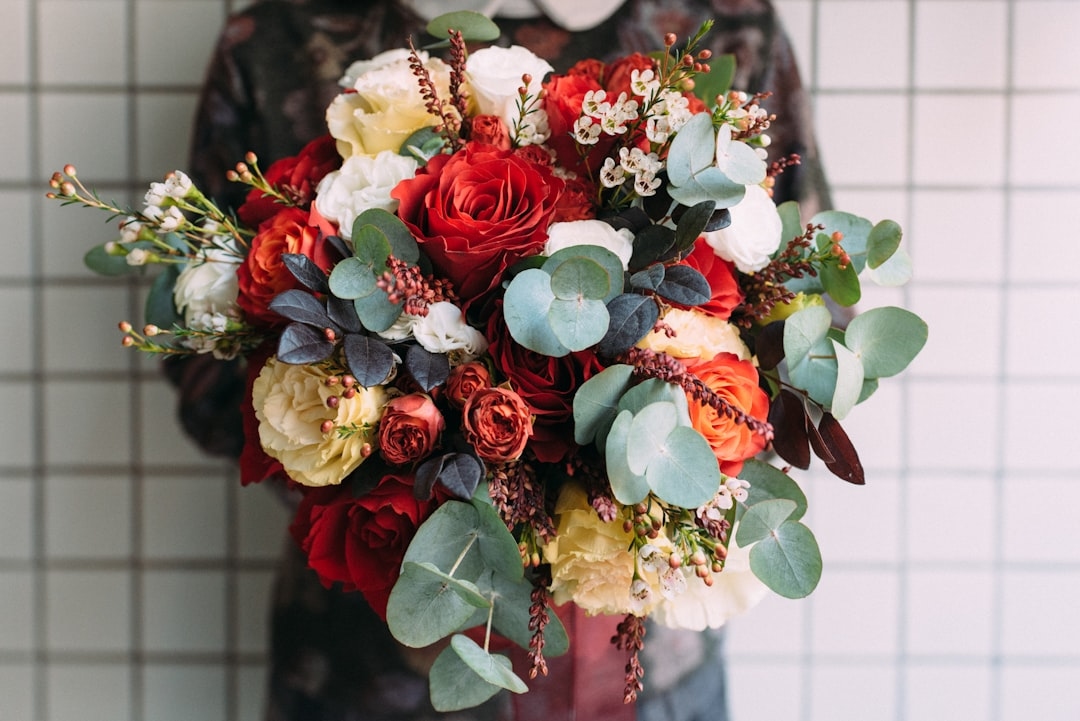
Communicate with your florist early. Many US wedding florists have experience designing asthma-safe arrangements for bridal bouquets, centerpieces, and corsages. Popular choices include rose-heavy bouquets, orchid cascades, and greenery-based decor with ferns and eucalyptus.
Funerals and Sympathy Flowers
Request arrangements built around carnations, chrysanthemums, and alstroemeria, avoiding lilies and baby’s breath. National services like FTD allow notes specifying allergy concerns.
Workspaces and Public Venues
Employers and event planners in the US–especially in healthcare and hospitality–are increasingly choosing low-pollen florals for lobbies and meeting rooms. According to the National Association of Florists (report, 2025), around 35% of US offices now request hypoallergenic flowers for public spaces.
“An asthma-friendly bouquet can be just as stunning and fragrant as a traditional one–you just need the right blooms.”
– Tomasa Kim, Lead Designer, Peony & Vine Florals, Chicago
FAQ
What flowers are least likely to trigger asthma attacks?
Roses, orchids, tulips, peonies, daffodils, and carnations are among the best choices for people with asthma, thanks to their low airborne pollen.
Are lilies safe for people with asthma?
Most lilies are not safe for people with asthma. Their abundant, loose pollen and strong fragrance can both trigger symptoms.
Can artificial flowers cause asthma attacks?
Artificial flowers themselves don’t release pollen, but they can collect dust or mold if not cleaned regularly. High-quality silk or latex flowers are generally safe if kept clean.
How do I recognize asthma-friendly flowers when shopping?
Look for blooms with tightly packed petals, little visible pollen, and a mild or no scent. Ask your florist for low-pollen or insect-pollinated flowers.
Is it safe to have flowers in the bedroom for someone with asthma?
Yes, if you choose low-pollen varieties, keep them fresh, and regularly change the water. Avoid lilies, baby’s breath, and any heavily scented varieties.
Looking Ahead: Breathing Easier–and Brighter
You don’t have to give up having flowers at home, at work, or at celebrations just because you have asthma. Armed with the right list and a little expert know-how, you can create a space filled with beauty and color–without fear of an asthma attack. Next time you browse your local florist or scroll through online bouquets, let your preferences be known. Life’s too short for empty vases.
Ready to refresh your space? Start by picking up a bunch of low-pollen roses or a graceful orchid–then breathe deeper, and enjoy every petal.



Add Comment