Contents:
- What Flowers Glow Under UV Light? (Featured Snippet)
- Why Do Some Flowers Glow Under UV Light?
- Nature’s Invisible Highlighter
- The Science of Floral Fluorescence
- 7 Stunning Flowers That Glow Under UV
- Marigold (Tagetes species)
- Sunflower (Helianthus annuus)
- White Lily (Lilium candidum)
- Daffodil (Narcissus species)
- Nasturtium (Tropaeolum majus)
- Evening Primrose (Oenothera biennis)
- Orchids (many species)
- How to Use Glowing Flowers in Floristry and Events
- Blacklight Bouquets
- Commercial Installations
- Home Décor
- Are Artificial Flowers Available That Glow Under UV?
- DIY Techniques: Making Your Own Glow-in-the-Dark Flowers
- Step-by-Step:
- The Science and Safety of UV Floral Displays
- FAQ: Flowers That Glow Under UV Light
- Which flowers glow the most under UV light?
- Can all white flowers glow under blacklight?
- Are glowing flowers safe to use indoors?
- Where can I buy UV-reactive flowers in the US?
- Do glowing flowers last as long as regular bouquets?
- What’s Next? Experiment with Your Own Glow Garden
Flowers that Glow Under UV Light: The Secret World of Fluorescent Florals
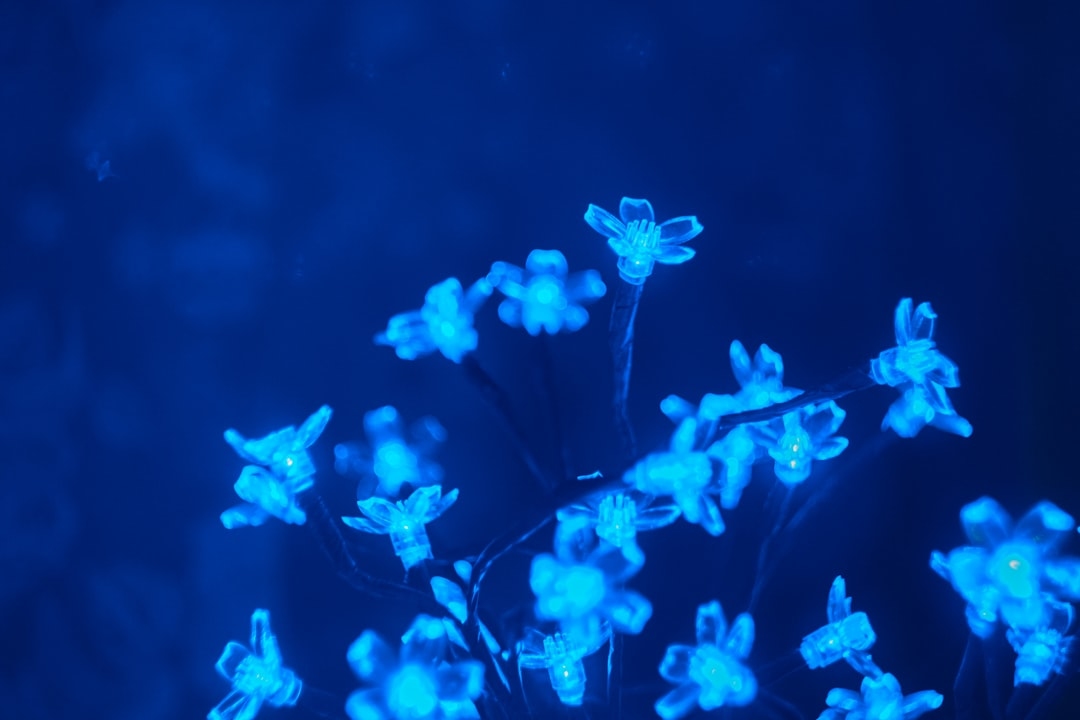
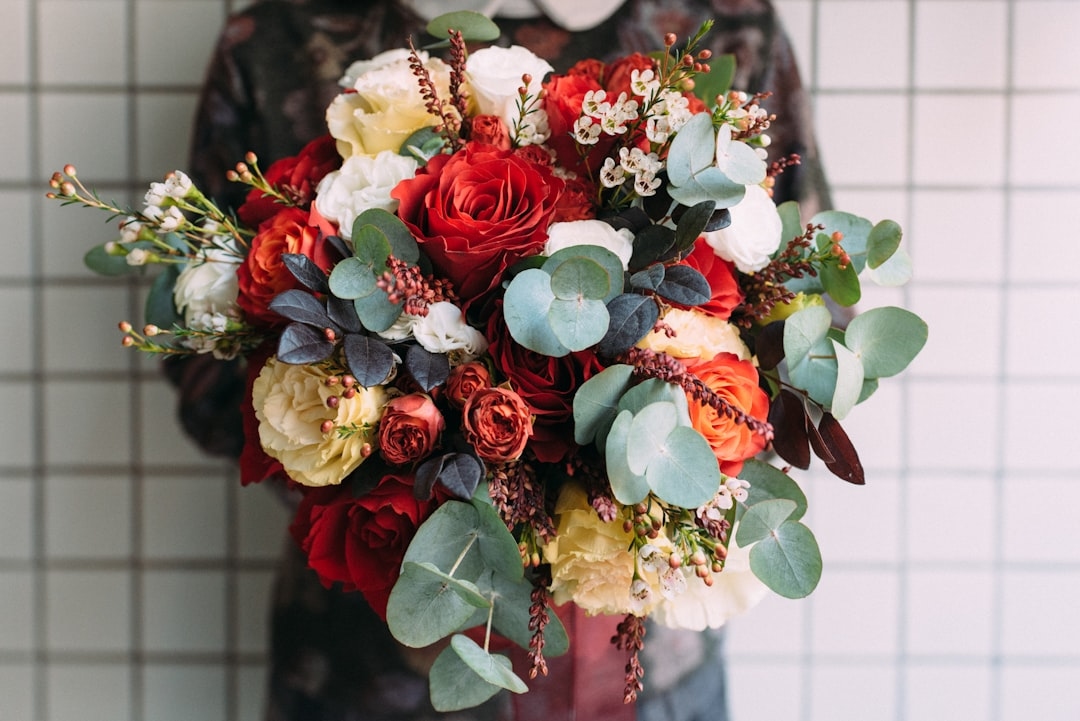
Picture a bouquet that comes alive under blacklight–petals transforming into neon fireworks, inviting pollinators and delighting the eye. UV-reactive, or fluorescent, flowers aren’t just science-lab curiosities. They’re showing up at immersive art installations, high-end weddings, and even in Instagram-worthy home arrangements. This isn’t your grandma’s garden.
What Flowers Glow Under UV Light? (Featured Snippet)
Some flowers naturally glow under UV light due to unique pigments or reflective compounds in their petals. Common examples include marigolds, sunflowers, white lilies, daffodils, nasturtiums, and certain orchids. Florists and scientists often use UV lamps to reveal these hidden patterns, which can range from subtle glowing veins to dramatic, all-over fluorescence. These glowing effects help guide pollinators–but they’re also dazzling to the human eye under blacklight.
Why Do Some Flowers Glow Under UV Light?
Flowers don’t glow under UV just to impress humans. They’re sending coded messages to bees, butterflies, and other pollinators.
Nature’s Invisible Highlighter
Most pollinating insects see in the ultraviolet spectrum. According to Dr. Maya Chau, a botanist at the University of Wisconsin-Madison, over 70% of flowering plants native to North America have some level of UV reflectance. These glowing regions, called nectar guides, point insects directly to the pollen and nectar.
The Science of Floral Fluorescence
- Pigments: Flavonoids and carotenoids react with UV light to appear fluorescent.
- Patterns: While the petals may seem solid-colored to humans, under UV you might spot concentric rings, bullseyes, or even arrow-like markings.
- Function: In studies published as recently as 2025, honeybees were 30% faster at finding nectar in flowers with high UV contrast.
“To a bee, a sunflower isn’t just yellow–it’s a glowing landing strip.”
– Dr. Maya Chau, Botanist
7 Stunning Flowers That Glow Under UV
Searching for the stars of the UV floral show? Here are seven species that glow brilliantly under blacklight, plus how to showcase them at your next event.
1. Marigold (Tagetes species)
Marigolds, especially the common orange and yellow varieties, are famous for their vivid fluorescence. Under a UV lamp, their petals may shift from gold to an eerie, electric yellow, with their centers often appearing pitch black.
2. Sunflower (Helianthus annuus)
Sunflowers reveal a dazzling bullseye pattern under UV. The petals radiate a bright glow, while the center (where the seeds form) absorbs UV and appears dark. This guides pollinators directly to the goods.
3. White Lily (Lilium candidum)
White lilies are a classic in American floral design, especially for weddings. Place them under a blacklight, and the petals take on a cool, bluish glow. The effect is especially potent when mixed with dark foliage.
4. Daffodil (Narcissus species)
Spring bouquets get a wild twist with daffodils. Their petals fluoresce with pastel shades–often pale blue or violet–revealing patterns invisible in daylight.
5. Nasturtium (Tropaeolum majus)
These edible blossoms are all the rage in upscale restaurants and farm-to-table events across the US. Under UV, nasturtiums glow in lively oranges and reds.
6. Evening Primrose (Oenothera biennis)
A night-blooming native, evening primrose’s pale yellow petals light up under UV like a lantern. Ideal for outdoor or moonlit events where blacklights may highlight the garden.
7. Orchids (many species)
Some orchids, including the popular Phalaenopsis (moth orchid), display striking UV patterns–sometimes bright centers or veined petals. These are frequent stars at high-profile installations in galleries or hotels.
| Flower Name | Fluorescent Color | Common Use in US Floristry | Availability (2026) |
|---|---|---|---|
| Marigold | Neon yellow | Bouquets, altars, events | April-October, $4/bunch |
| Sunflower | UV Bullseye, gold | Rustic weddings, summer | May-September, $2/stem |
| White Lily | Blue-white glow | Weddings, sympathy | Year-round, $3-$5/stem |
| Daffodil | Pastel blue/violet | Spring bouquets | February-April, $6/bunch |
| Nasturtium | Orange/red glow | Edible arrangements | June-September, $7/bunch |
| Evening Primrose | Lantern yellow | Night gardens, wildflower | June-August, $5/bunch |
| Orchid | Varies by species | Luxury, modern design | Year-round, $10+/stem |
How to Use Glowing Flowers in Floristry and Events
Creative florists and event planners have begun showcasing UV-reactive flowers in everything from art installations to home décor.
Blacklight Bouquets
For parties, weddings, or theatrical events, designers use portable UV lamps (typically $40-$150 for florist-grade models) to highlight the fluorescence. Try combining white lilies, nasturtiums, and marigolds for a mixed bouquet that comes alive after dark.
Commercial Installations
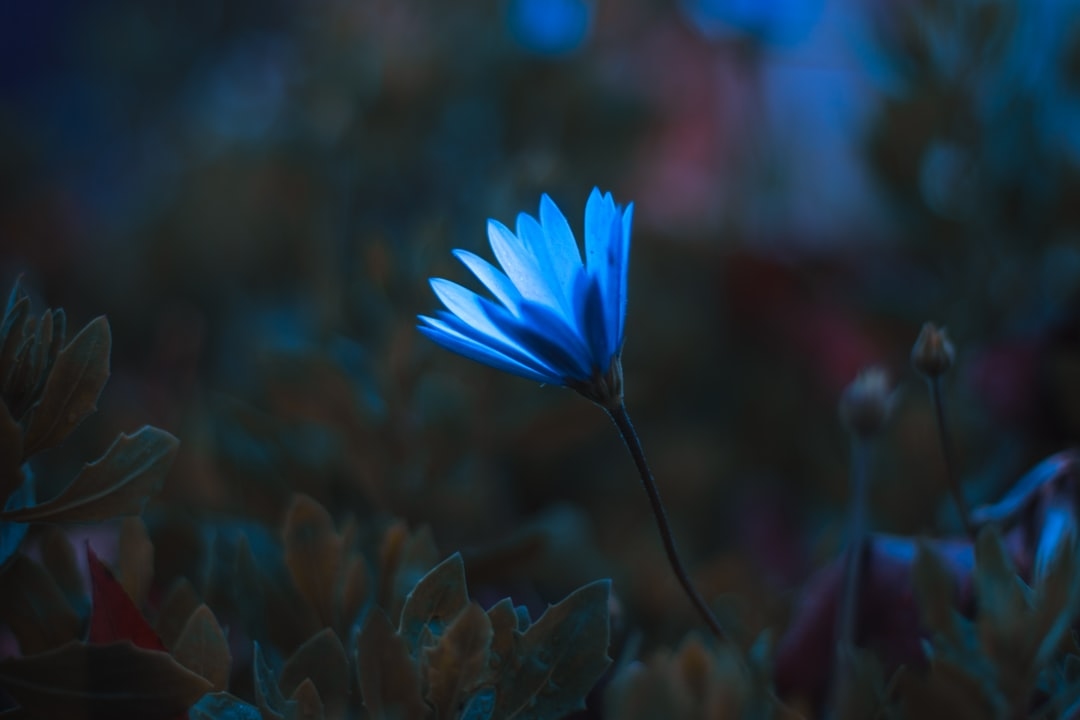
Venues in Las Vegas, Miami, and NYC–like the 2025 immersive show “FloraLume” at The Edge–have featured massive UV-reactive floral walls, drawing crowds and Instagram buzz.
Home Décor
You don’t need a blacklight lounge to enjoy fluorescent flowers. Compact UV bulbs (about $12 on Amazon) can transform a dinner table centerpiece into a conversation piece.
Tip: Not all florists carry glow-ready flowers on demand. For special orders, check with US shops like 1-800-Flowers or UrbanStems and specify your interest in UV-reactive varieties.
Are Artificial Flowers Available That Glow Under UV?
Absolutely. The fluorescent floral trend has sparked an entire cottage industry for artificial, UV-reactive blooms. These faux flowers, made from materials like polyethylene, silk, or even recycled plastics, are pre-treated with safe fluorescent dyes.
- Popular Brands (2026): UVFlora USA, GlowRitz Designs
- Pricing: $15-$60 per bouquet, depending on size and complexity
Artificial UV flowers are popular for nightclubs, permanent installations, and even home parties–places where real flowers would wilt.
DIY Techniques: Making Your Own Glow-in-the-Dark Flowers
For crafters and florists who love to experiment, you can “hack” ordinary flowers to glow under UV using safe, floral-grade paints or dyes (available at craft stores and online, $9-$25 per bottle in 2026).
Step-by-Step:
- Choose light or white-petaled flowers for best results.
- Using a fine brush, apply a thin layer of UV-reactive floral paint to petals and let dry.
- Arrange under a UV/blacklight lamp.
- Optional: Mix designs and highlight nectar guides to mimic natural patterns.
“Hand-painted glow bouquets have been a breakout wedding trend in 2025-2026,” says Lisa Romero, AIFD-certified florist based in Austin.
The Science and Safety of UV Floral Displays
While UV-reactive flowers are mesmerizing, safety comes first.
- UV Lamps: Most blacklights sold for home/event use are longwave (320-400nm) and safe for brief exposure. Never stare directly into a UV source.
- Toxicity: Only use non-toxic, floral-safe paints or dyes on fresh flowers.
- Pollinators: Outdoor UV-light use at night may confuse insects. For gardens, opt for brief, targeted illumination.
FAQ: Flowers That Glow Under UV Light
Which flowers glow the most under UV light?
Marigolds, sunflowers, white lilies, and nasturtiums are among the most fluorescent. Petal color, species, and freshness all influence the strength of the glow.
Can all white flowers glow under blacklight?
Not all white flowers glow; only those with the right pigments or reflective compounds. Common white florals like lilies and some daisies fluoresce, but others, like gardenias, typically don’t.
Are glowing flowers safe to use indoors?
Yes, UV-reactive flowers and artificial alternatives are safe for indoor use. Use blacklight lamps as directed, and choose non-toxic enhancements when DIY-ing.
Where can I buy UV-reactive flowers in the US?
Check with local florists for natural options. For artificial UV flowers, online retailers like UVFlora USA and GlowRitz Designs ship across the US. For special events, some florists can custom-order glow bouquets.
Do glowing flowers last as long as regular bouquets?
Natural UV-reactive flowers have similar vase lives (5-10 days, depending on species) as non-glowing counterparts. Artificial UV flowers last indefinitely.
What’s Next? Experiment with Your Own Glow Garden
Try arranging a few marigolds or white lilies and a UV bulb at your next get-together. The effect feels almost magical, utterly unexpected–and a reminder that flowers still have secrets waiting to be revealed.
Curious to go deeper? Local extension offices and botanical gardens (like The New York Botanical Garden’s night tours) often run workshops on pollinator vision and UV floral patterns. 2026 may be the year your garden, or your next event, glows in a whole new light.


Add Comment