Contents:
- What Are the Best Edible Flowers for Cocktails? (Direct Answer)
- Why Bartenders Love Edible Flowers: Real Flavor, Not Just Visuals
- More Than Just Decoration
- Popular Picks & Unique Flavors
- Safety First: Sourcing & Prepping Edible Flowers
- Sourcing Tips
- Prepping Edible Flowers
- Tested Cocktail Recipes with Edible Flowers
- Lavender Lemon Gin Fizz
- Rose & Hibiscus Margarita
- Cucumber & Borage Spritz
- Classic Violet Aviation
- Pro Tips for Using Florals in Cocktails
- How Much Is Too Much?
- Balancing Flavors
- How to Make Flower Ice Cubes
- Flower Cocktails: Cost, Seasonality, and Where to Buy
- Cost Breakdown
- Peak Seasons
- US Delivery
- FAQ: Edible Flowers for Cocktails
- What flowers are safe to eat in cocktails?
- Can I use flowers from my florist or grocery bouquet?
- How do I store edible flowers for cocktails?
- Do edible flowers change the flavor of my cocktail?
- Are there any flowers to avoid completely?
- Try It at Home: Your Next Signature Cocktail
Edible Flowers for Cocktails – Tested Recipes
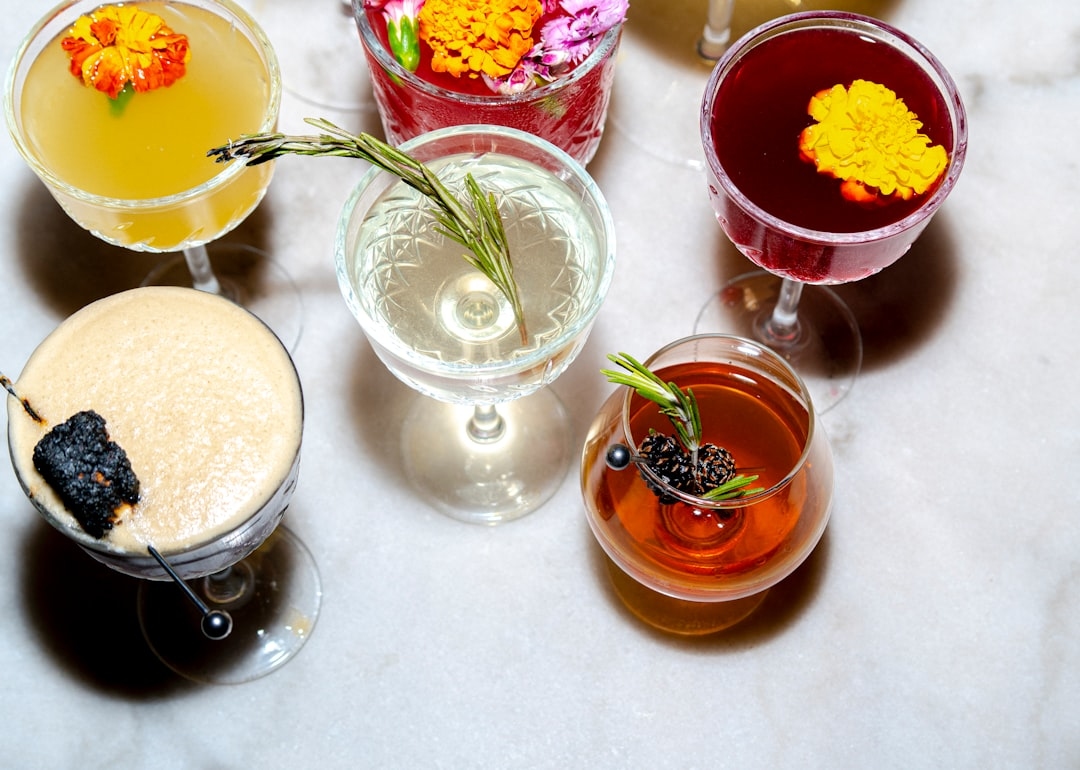
Imagine a coupe glass swirling with a lavender-petal-infused gin and tonic, the scent of roses wafting up as you sip. Edible flowers in cocktails aren’t just eye candy–they’re full of surprise, subtle flavors, and a little bit of magic. Over 70% of US craft bars now feature botanicals on their menus (NRA Mixologist Survey, 2025). At home, they can transform your next happy hour from standard to showstopper–no floral degree required.
What Are the Best Edible Flowers for Cocktails? (Direct Answer)
The best edible flowers for cocktails include pansies, violets, nasturtiums, borage, rose petals, lavender, hibiscus, and marigolds. These flowers are safe to eat, add distinct flavors (think peppery, sweet, or citrusy), and visually elevate drinks. Always use flowers grown for consumption–ideally organic–never those from florists or landscaping, which may be treated with pesticides.
Why Bartenders Love Edible Flowers: Real Flavor, Not Just Visuals
More Than Just Decoration
Too often, “garnish” is code for something pretty with no purpose. But edible flowers bring real complexity. For example, borage tastes like cucumber. Nasturtium petals add a spicy bite similar to pepper. According to Jacob Rivera, head mixologist at San Francisco’s Petal & Stem, “Fresh lavender or violet doesn’t just look stunning–it perfumes the entire glass; it’s an experience.”
Popular Picks & Unique Flavors
| Flower | Flavor Profile | Best With | Safe for Cocktails? |
|---|---|---|---|
| Lavender | Floral, herbal, citrus | Gin, vodka, lemonade | Yes |
| Rose petals | Sweet, perfumed | Champagne, tequila | Yes |
| Borage | Cool, cucumbery | Gin, tonic, lemonade | Yes |
| Nasturtium | Peppery, spicy | Tequila, mezcal, Pimm’s | Yes |
| Violets | Sweet, grassy | Rum, gin, elderflower | Yes |
| Hibiscus | Tart, cranberry-like | Rum, vodka, spritzers | Yes |
“Try freezing pansies or violet petals inside ice cubes. They melt slowly and flavor the drink as you sip.”
– Ruby Tran, Certified Floral Designer, NY
Safety First: Sourcing & Prepping Edible Flowers
Not every flower in your garden is safe for cocktails. More than 50% of ornamental blooms at big-box nurseries test positive for pesticide residues (USDA 2025). Here’s how to enjoy them safely:
Sourcing Tips
- Buy from organic farmers: Local farmers markets often have edible blooms for $6-$12 per small box in spring/summer.
- Grow your own: Nasturtiums, pansies, and borage thrive in window boxes.
- Online options: Gourmet specialty stores like Gourmet Sweet Botanicals and Edible Arrangements (US-based, ships overnight).
Never use roadside flowers, supermarket bouquets, or landscaping plants. If in doubt, skip it.
Prepping Edible Flowers
- Rinse gently in cold water.
- Pat dry (delicate tissues bruise easily).
- Remove green sepals or bitter white bases if using petals.
- Store in the fridge, lined with damp paper towels, in a container with airflow. Use within 2-3 days.
Tested Cocktail Recipes with Edible Flowers
Let’s get practical. Here’s a short list of favorite, bartender-tested recipes, complete with specifics (U.S. brands, measurements).
1. Lavender Lemon Gin Fizz
Ingredients:
- 2 oz North Shore Gin #6
- 1 oz fresh lemon juice
- 1 oz simple syrup (infused with culinary lavender*)
- Club soda
- Fresh lavender sprigs and lemon wheels
*Lavender Simple Syrup: Simmer 1 cup water, 1 cup sugar, and 2 tbsp culinary lavender buds 2 min; cool, strain.
Instructions:
- Shake gin, lemon juice, and lavender syrup over ice.
- Strain into a Collins glass with ice, top with club soda.
- Garnish with a fresh sprig of lavender and a lemon wheel.
2. Rose & Hibiscus Margarita
Ingredients:
- 2 oz Espolon Blanco tequila
- 1 oz lime juice
- 3/4 oz agave syrup
- 1/2 oz hibiscus syrup (Fee Brothers or home-made)
- Edible rose petals, kosher salt
Instructions:
- Rim glass with lime juice, then dip in kosher salt mixed with dried hibiscus powder.
- Shake tequila, lime, agave, and hibiscus syrup with ice.
- Strain into a rocks glass with fresh ice. Float 2-3 rose petals on top.
3. Cucumber & Borage Spritz
Ingredients:
- 1.5 oz Ketel One Botanical Cucumber & Mint
- 1 oz St-Germain elderflower liqueur
- 3 oz Fever-Tree tonic
- Fresh borage flowers, cucumber ribbons
Instructions:
- Add ice, cucumber, and borage to glass.
- Pour vodka and liqueur, then top with tonic.
- Stir gently; garnish with more borage.
4. Classic Violet Aviation
Ingredients:
- 2 oz Aviation American Gin
- 1/2 oz Luxardo maraschino liqueur
- 1/2 oz crème de violette (The Bitter Truth)
- 3/4 oz fresh lemon juice
- Candied violet or fresh violet petal
Instructions:
- Shake all liquids over ice. Fine strain into coupe.
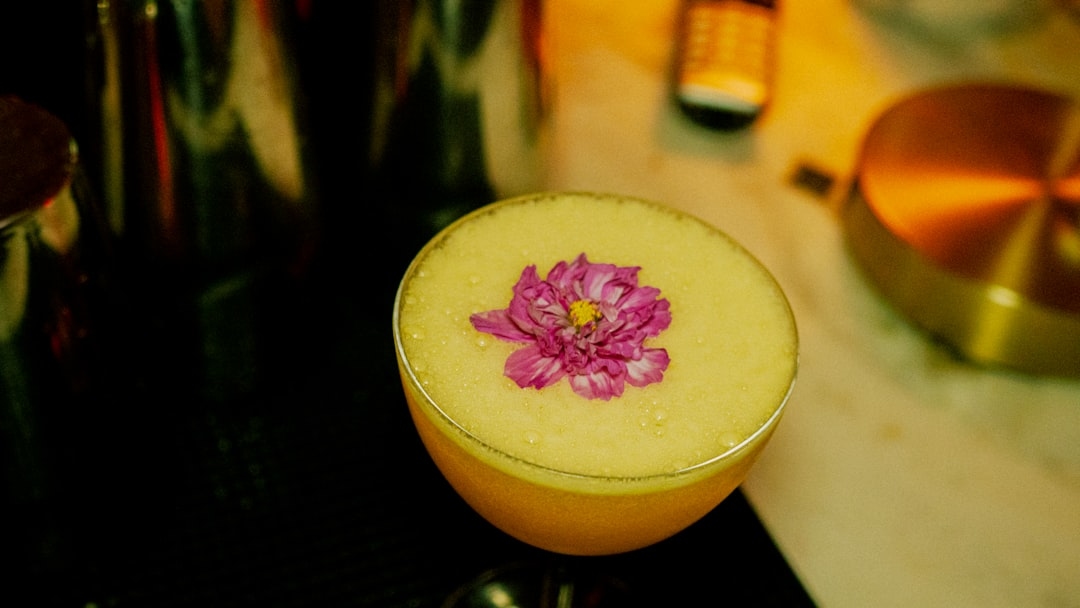
- Garnish with a candied violet or float a petal.
Pro Tips for Using Florals in Cocktails
How Much Is Too Much?
Florals can go from “elegant” to “grandma’s soap” fast. For infusions or syrups, start with 1/2-1 tablespoon of petals per cup liquid. Always taste as you go.
Balancing Flavors
- Use floral notes to highlight existing ingredients–lavender with lemon, hibiscus with berry, rose with agave.
- A little acid (lemon, lime) balances floral sweetness.
- Avoid combining too many flower types in one drink; muddled flavors confuse the palate.
How to Make Flower Ice Cubes
Flower ice is the easiest wow factor. Place trimmed petals or small blooms in an ice tray. Fill halfway with distilled water, freeze, then fill to the top and freeze again for ultra-clear cubes.
Flower Cocktails: Cost, Seasonality, and Where to Buy
Cost Breakdown
- Florist-quality edible blooms: $8-$15 per small box (10-20 servings).
- Home-grown (seeds): $2-$4 per packet. Borage and nasturtium can produce dozens of blooms throughout summer.
Peak Seasons
| Flower | Season (US) | Availability (USDA zones) |
|---|---|---|
| Pansies | April-June, Sept | Most states, cool months |
| Borage | May-September | Zones 2-10 |
| Lavender | June-August | Zones 5-9 |
| Hibiscus | June-Sept (tropical) | South, CA, FL, TX |
US Delivery
- Same-day: UrbanStems, FreshDirect (limited cities), Edible Arrangements.
- Nationwide overnight: Gourmet Sweet Botanicals, Marx Foods.
Look for USDA Organic or food-safe certified labeling.
FAQ: Edible Flowers for Cocktails
What flowers are safe to eat in cocktails?
Safe options include pansies, violets, nasturtiums, borage, lavender, rose petals, Calendula, and hibiscus. Always use flowers labeled as edible and grown without pesticides.
Can I use flowers from my florist or grocery bouquet?
No. Most commercial flowers are treated with chemicals not approved for eating. Only use flowers specifically grown for consumption.
How do I store edible flowers for cocktails?
Keep fresh edible flowers dry and refrigerated, ideally in a container lined with damp paper towels. Use within 2-3 days for peak freshness and flavor.
Do edible flowers change the flavor of my cocktail?
Yes. Some add subtle notes (rose, violet), others are more pronounced (nasturtium, borage). Taste-test before using large amounts.
Are there any flowers to avoid completely?
Avoid foxglove, oleander, lily of the valley, daffodil, and any plant you can’t positively identify as edible. Always double-check with a reputable guide or supplier.
Try It at Home: Your Next Signature Cocktail
Here’s your weekend project: Pick one flower from this list, snag a $4 pack of borage or nasturtium seeds, or grab a box of culinary blooms at Whole Foods. Infuse a syrup, freeze a few petals in your next batch of cubes, or simply float a few violets on your gin and tonic. See how your favorite spirit is transformed.
Because in 2026, cocktail hour deserves to smell as good as it tastes.


Add Comment